Simple temperature cues every new parent should know
Have you ever touched your newborn’s tiny hands and wondered, “Is my baby cold? Should I add another blanket?”
Or perhaps you’ve picked your baby up from a nap and noticed their little head felt sweaty.
As a postpartum doula providing overnight newborn care, I know how often parents worry about keeping their babies comfortable.
It’s completely understandable! Newborns are still developing their ability to regulate body temperature, and they can’t tell us when they’re feeling too warm or too chilly.
The good news? Your baby gives you clues. Learning to recognize those signs can help you respond confidently while creating a safer, more comfortable environment.
How Can You Tell If Your Baby Is Too Hot?
When caring for a newborn, it’s natural to want to keep them bundled up and cozy. However, babies can become overheated when dressed in too many layers or placed in an overly warm environment.
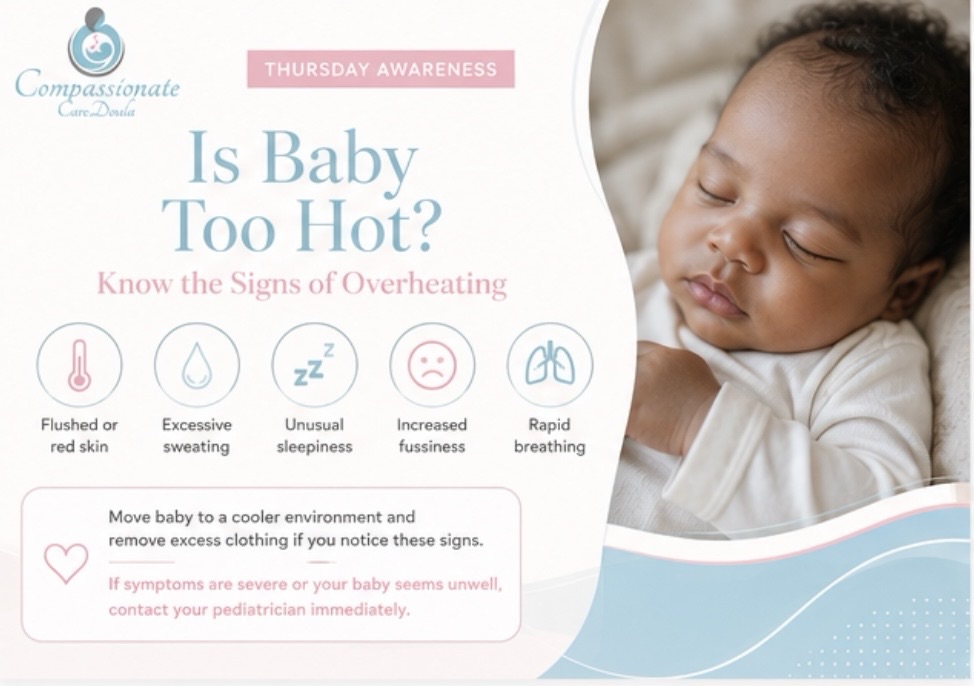
Common signs your baby may be too warm include:
- Sweaty or damp hair
- Flushed or unusually red cheeks
- A chest or back that feels hot
- Restlessness or unusual fussiness
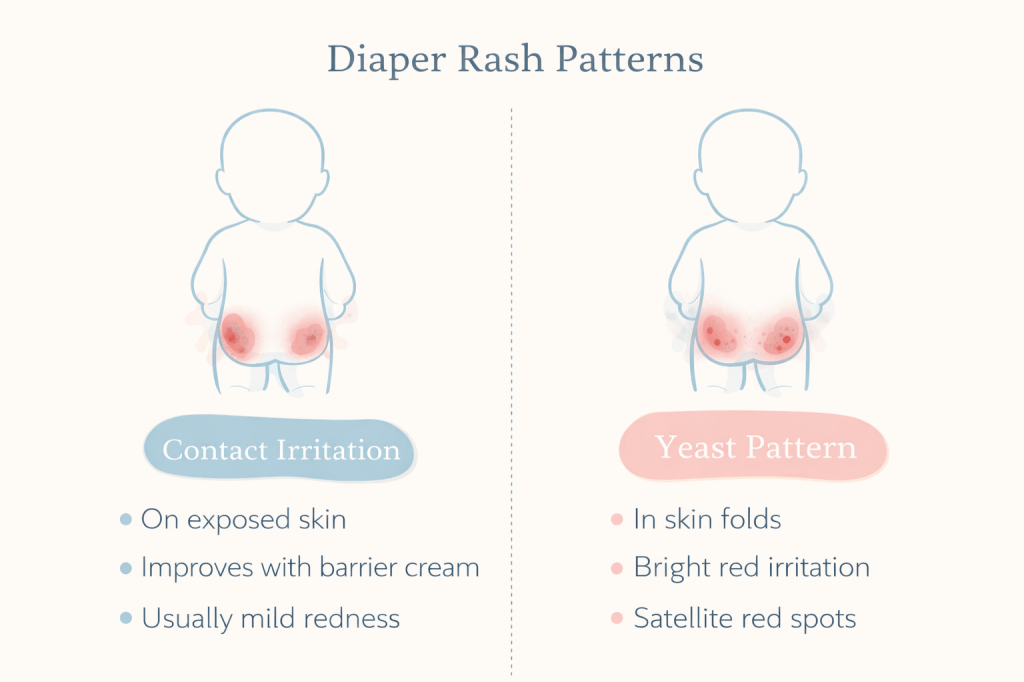
- Heat rash or damp clothing
If you notice these signs, try removing a layer of clothing, making the room more comfortable, and checking your baby again.
Why is this important?
Overheating during sleep is associated with an increased risk of Sudden Infant Death Syndrome (SIDS).
The American Academy of Pediatrics recommends dressing babies appropriately for their surroundings, generally in no more than one additional layer compared with what a comfortable adult would wear.
Remember, a baby who is warm and comfortable doesn’t need to be sweaty.
How Can You Tell If Your Baby Is Too Cold?
Here’s something that surprises many new parents:
Cold hands and feet don’t necessarily mean your baby is cold!
Young babies often have cooler extremities, even when their bodies are comfortably warm.
Instead of relying only on fingers and toes, gently check your baby’s chest or back.
Possible signs of being too cold include:
- A chest or back that feels unusually cool
- Skin that appears pale or mottled
- Discomfort or difficulty settling
- Unusual changes in activity or feeding
For a baby who is otherwise behaving normally but seems slightly chilly, an additional appropriate clothing layer may help.
However, unusual sleepiness, poor feeding, persistent coolness, or a low measured temperature should never be dismissed as simple discomfort. Contact your baby’s healthcare provider promptly.
The Simple Chest-and-Back Temperature Check
One of the easiest ways to assess your baby’s comfort is to gently place your hand against their chest or back.
Their skin should feel comfortably warm rather than hot, sweaty, or unusually cool.
You can also check the back of your baby’s neck for sweating.
Here’s a helpful reminder:
Hands and feet tell only part of the story. The chest and back provide better clues about overall warmth.
Keep in mind that touching your baby’s skin is not a reliable way to detect a fever. If your baby seems ill or unusually hot or cold, check their temperature with an appropriate digital thermometer.
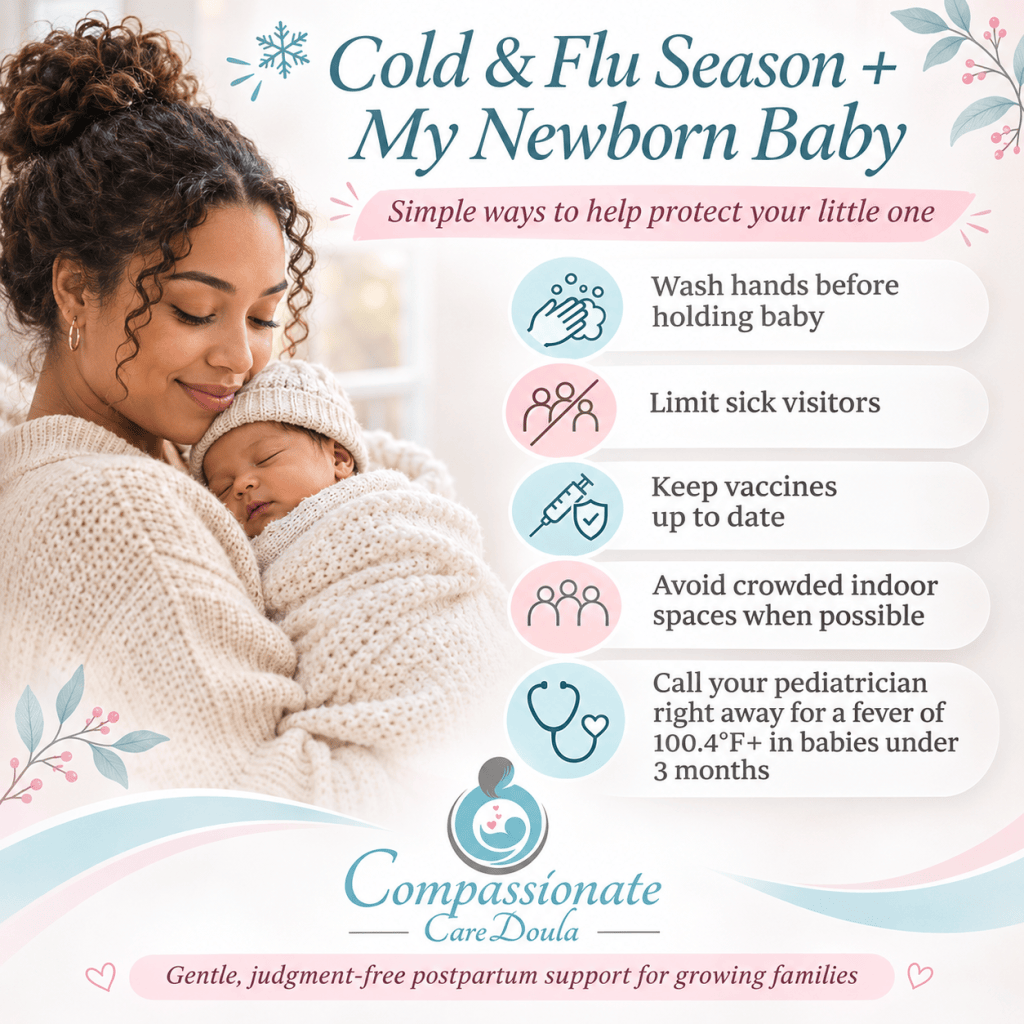
For infants younger than 3 months, a rectal temperature of 100.4°F (38°C) or higher requires immediate medical advice.
What Is the Best Room Temperature for a Sleeping Baby?
Many families find a room temperature of approximately 68–72°F comfortable, but there is no single required room temperature that guarantees safe sleep.
The goal is to avoid overheating while keeping your baby comfortable.
A few helpful nighttime tips:
- Choose lightweight, breathable sleepwear.
- Use an appropriately sized, non-weighted sleep sack when additional warmth is needed.
- Avoid loose blankets, pillows, comforters, and other soft items in your baby’s sleep space.
- Keep your baby’s head and face uncovered during indoor sleep.
- Check your baby’s chest or back if you suspect they’re too warm or cold.
Always place your baby on their back to sleep on a firm, flat mattress with a fitted sheet.
If using a sleep sack, select one appropriate for your baby’s size and the surrounding temperature.
Can Being Too Hot or Too Cold Affect Your Baby’s Sleep?
Yes. Temperature discomfort can sometimes contribute to restlessness, difficulty settling, or interrupted sleep.
However, not every nighttime waking is related to temperature.
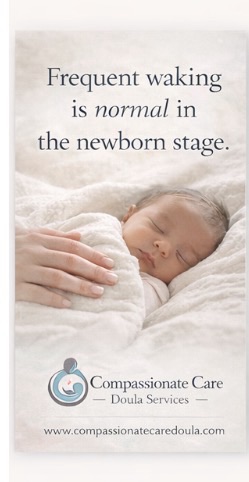
Newborns wake for many reasons, including hunger, developmental needs, and a desire for closeness.
Before assuming your baby needs another layer, consider checking:
- Their chest or back for temperature comfort
- Whether clothing feels damp
- Whether their sleepwear is appropriate for the room
- Their feeding needs and other signs of discomfort
A comfortable sleep environment is just one part of establishing healthy, developmentally appropriate sleep foundations.
When Should You Contact Your Pediatrician?
While most clothing-related temperature discomfort can be addressed with simple adjustments, some symptoms require medical attention.
Contact your baby’s healthcare provider promptly if your baby has a low measured temperature, is feeding poorly, appears unusually lethargic, or seems unwell.
A baby younger than 3 months with a rectal temperature of 100.4°F (38°C) or higher needs immediate medical advice, even if they appear otherwise well.
If your baby is difficult to wake, has significant breathing difficulties, or develops blue or gray lips, call 911.
When in doubt, it’s always appropriate to seek medical guidance.
Supporting Your Baby With Confidence and Compassion
Parenting a newborn comes with a thousand little questions.
Is my baby warm enough?
Should I add another layer?
Why does my baby seem restless?
Am I doing this right?
At Compassionate Care Doula Services, we believe parents deserve reassurance, practical education, and support without judgment.
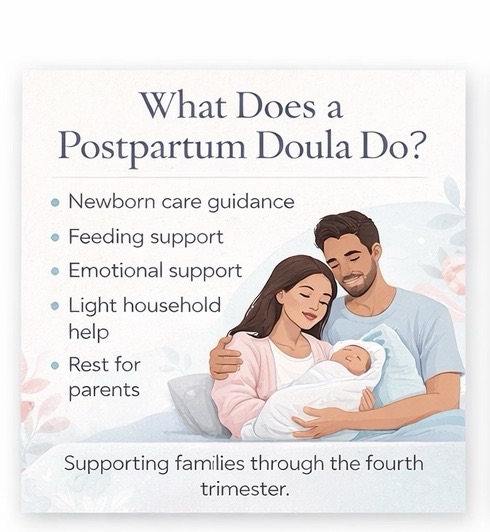
Through personalized postpartum care, overnight newborn support, and gentle infant sleep consulting, we help families understand their babies’ cues and build confidence during the early months.
Because caring for your baby shouldn’t mean navigating every question alone.
Looking for compassionate newborn care or gentle infant sleep support?
We proudly support families throughout Beaufort, Bluffton, Hilton Head Island, Hardeeville, and the surrounding South Carolina Lowcountry, as well as Savannah, Georgia.
Visit compassionatecaredoula.com to learn more about our postpartum doula services and Birth and Beyond Nesting™ infant sleep consulting.
Compassionate Care Doula Services, LLC — Helping families rest, recover, and feel confident from the very beginning.
Educational note: This article provides general newborn-care information and does not replace individualized medical guidance from your pediatrician.

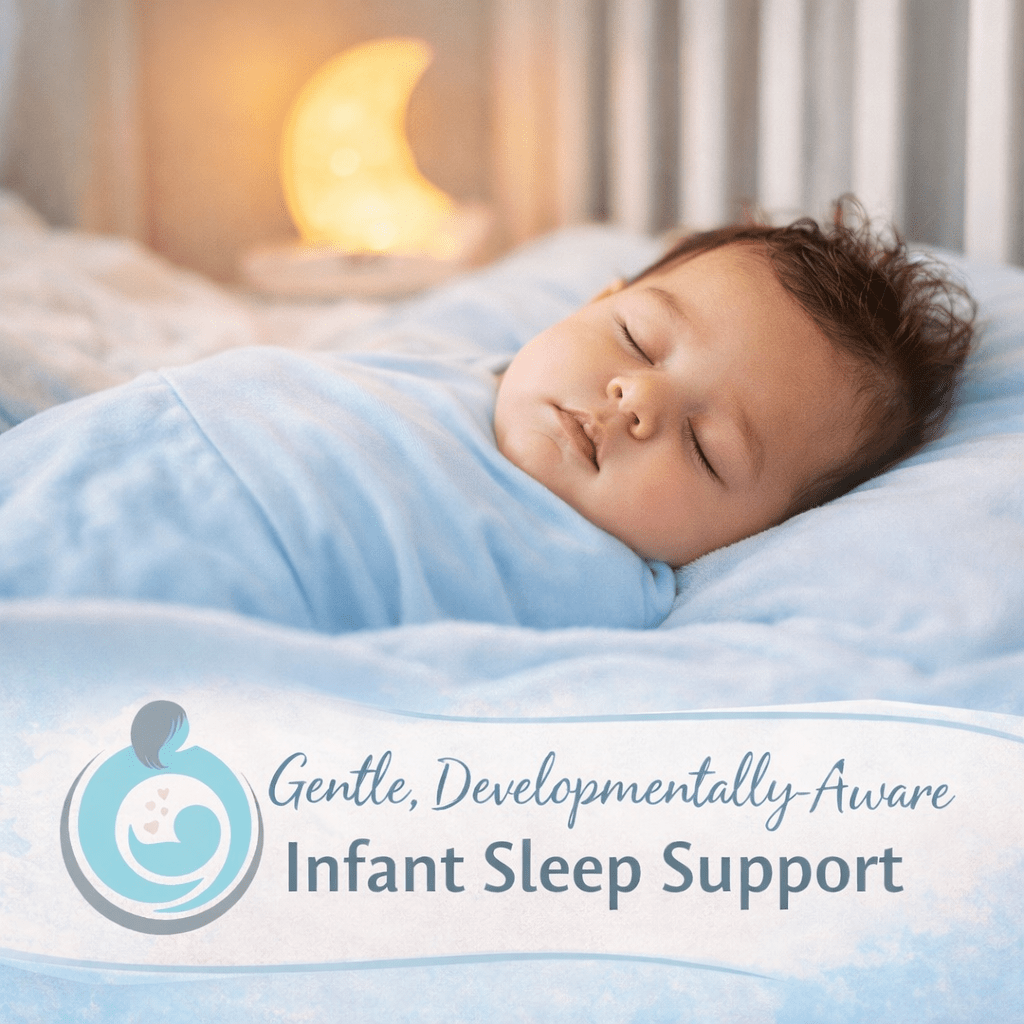
Want to help your baby develop healthy sleep foundations? Explore our gentle Infant Sleep Support & Coaching services through our signature Birth and Beyond Nesting™ approach.

























Leave a Reply