Balanced Wellness Mental Health Support
Motherhood is often introduced to women as a threshold of joy. Even its hardships are usually framed as tender, glowing, and temporary: the sleepless nights, the aching body, the bewilderment of learning a new baby. What is spoken of less often is the particular loneliness of discovering that, after birth, joy does not arrive in the way you were promised.
Instead, there may be a heaviness that settles in quietly and stays. There may be tears that seem to come from nowhere, irritability that feels foreign, or a strange distance between you and the life you thought you would feel grateful to be living. Postpartum depression can make this season feel less like a beginning and more like a disappearance of self.
Because the cultural story of new motherhood leaves so little room for grief, ambivalence, fear, or despair, many women suffer inside an experience they believe they should be cherishing. The truth is that postpartum depression is not a failure of gratitude or love. It is a real and treatable mental health condition, and understanding it is often the first step toward healing.
Key Takeaways
- Postpartum depression is common, treatable, and deserving of compassionate support.
- Recognizing symptoms early can help mothers access care sooner and begin healing with less isolation and shame.
- Therapy, support from trusted others, and, in some cases, medication can all play an important role in recovery.
- Balanced Wellness offers therapy tailored to postpartum mental health needs and provides care designed to support mothers through this vulnerable season.
What Is Postpartum Depression?
Postpartum depression is a serious mental health condition that can develop after childbirth. It is different from the “baby blues,” which are typically shorter in duration and milder in intensity. Postpartum depression tends to last longer, feel more overwhelming, and interfere more significantly with daily life.
It can begin in the days after birth or emerge weeks to months later. When left untreated, it can persist for many weeks or months and affect a mother’s ability to care for herself, care for her baby, and feel present in her own life.
Signs and Symptoms of Postpartum Depression
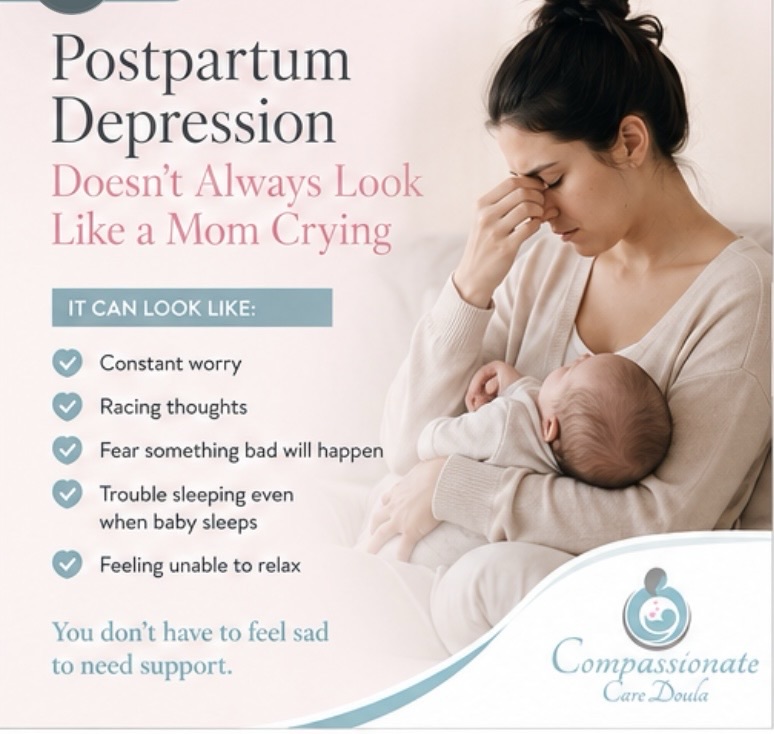
The signs of postpartum depression can vary, but several symptoms are common. A mother may notice:
- Persistent sadness
- Frequent crying
- Irritability or mood swings that do not seem to lift
- Loss of interest in activities she once enjoyed
- Emotional numbness during moments she expected would feel meaningful
- Difficulty bonding with her baby
- Overwhelming guilt, shame, or feelings of failure
- Changes in sleep and appetite
In more severe cases, a mother may experience thoughts of harming herself or her baby, which require immediate professional support.
Causes and Risk Factors
Postpartum depression does not happen because someone is weak, ungrateful, or incapable of motherhood. It is typically shaped by a combination of physical, emotional, and environmental factors.
Hormonal shifts after childbirth can affect mood regulation, while sleep deprivation can intensify emotional distress and reduce resilience. A personal history of depression or other mental health challenges may increase vulnerability. Limited social support, stressful life circumstances, relationship strain, and the major identity shift that often accompanies becoming a parent can also contribute.
For many women, postpartum depression emerges from several pressures converging at once during a period when they are expected to be coping well.
How Postpartum Depression Is Treated
Postpartum depression is treatable, and healing often begins with receiving the right kind of support.
Many mothers benefit from therapy, especially approaches such as cognitive-behavioral therapy and interpersonal therapy.
Cognitive-behavioral therapy can help mothers identify and change thought patterns that deepen hopelessness, guilt, or self-criticism. Interpersonal therapy can be especially helpful during the postpartum period because it addresses relationship stress, role changes, and the emotional impact of life transitions.
Some mothers may also benefit from medication to reduce symptoms and support mood stabilization. For mothers who are breastfeeding, medication decisions can be made collaboratively with a provider who considers both safety and comfort.
Treatment is not one-size-fits-all, and effective care should be individualized to each mother’s symptoms, needs, and values.
Coping Strategies for Postpartum Depression
While professional treatment is often a central part of recovery, daily coping strategies can also help mothers feel more supported and grounded.
- Talk openly with a trusted partner, family member, or friend
- Set gentle, realistic goals for each day
- Prioritize sleep and rest whenever possible
- Eat regularly and stay hydrated
- Engage in gentle movement
- Practice mindfulness, grounding exercises, or deep breathing
- Limit time in online spaces that fuel comparison or guilt
- Practice self-compassion throughout recovery
Postpartum depression is not a personal failure, and healing rarely happens through pressure or self-judgment.
How Balanced Wellness Can Help
At Balanced Wellness, postpartum mental health care is designed to be compassionate, personalized, and responsive to the realities of this season of life.
Providers offer specialized support for:
- Perinatal mood and anxiety disorders
- Birth trauma
- Emotional difficulties during the postpartum period
- Difficulty bonding with baby
- Feelings of isolation or disconnection
Treatment may include:
- Individual therapy
- Group support
- EMDR for trauma or loss
- Mindfulness and breathwork
- Emotional regulation strategies
Because postpartum challenges often unfold within larger contexts such as military life, isolation, and competing family demands, virtual sessions and coordination with other care providers can help mothers feel more fully supported.
The goal is not only symptom relief, but also helping each mother reconnect with a steadier sense of self and hope.
Final Thoughts
Postpartum depression is a serious but treatable condition. No mother should have to navigate it alone or feel ashamed for struggling during a season that others assume should feel joyful.
With understanding, appropriate support, and compassionate care, healing is possible. Reaching out for help can be the first step toward feeling more connected, more grounded, and more like yourself again.
Frequently Asked Questions
Postpartum depression can last for weeks or months, if it is not treated. The length of recovery varies, but early support can make a meaningful difference.
Can postpartum depression develop later after childbirth?
Yes. Postpartum depression can begin days after delivery or emerge months later, which can make it harder for some mothers to recognize what they are experiencing.
What is the difference between the baby blues and postpartum depression?
The baby blues are usually shorter-lived and less intense. Postpartum depression lasts longer, feels more severe, and is more likely to interfere with daily functioning and emotional well-being.
Do I have to take medication if I have postpartum depression?
Not necessarily. Some mothers improve with therapy and support alone, while others benefit from adding medication. Treatment decisions should be made based on symptom severity, personal preference, and consultation with a qualified provider.
Can therapy help with postpartum depression?
Yes. Therapy can help mothers understand what they are experiencing, reduce shame, build coping strategies, address relationship stress, and begin healing in a structured and supportive way.
For more information to help your postpartum health
Contact https://balanced-wellness.org/therapy-ridgeland-sc
Written by our Local Therapist Balanced Wellness



















Leave a Reply