Feeding your baby—whether by breast, bottle, or both—should feel calm, connected, and nourishing. But for many parents, bottle feeding can quickly become confusing, especially when it comes to choosing the right nipple size.
If you’ve ever stood in the baby aisle wondering “Which flow is right?”—you’re not alone.
As a postpartum doula serving families across Bluffton, Beaufort, and Hilton Head Island, I support families through these decisions every day. The truth is, there is no one-size-fits-all approach—only what works best for your baby.
Let’s break it down together.
🍼 What Do Bottle Nipple Sizes Actually Mean?
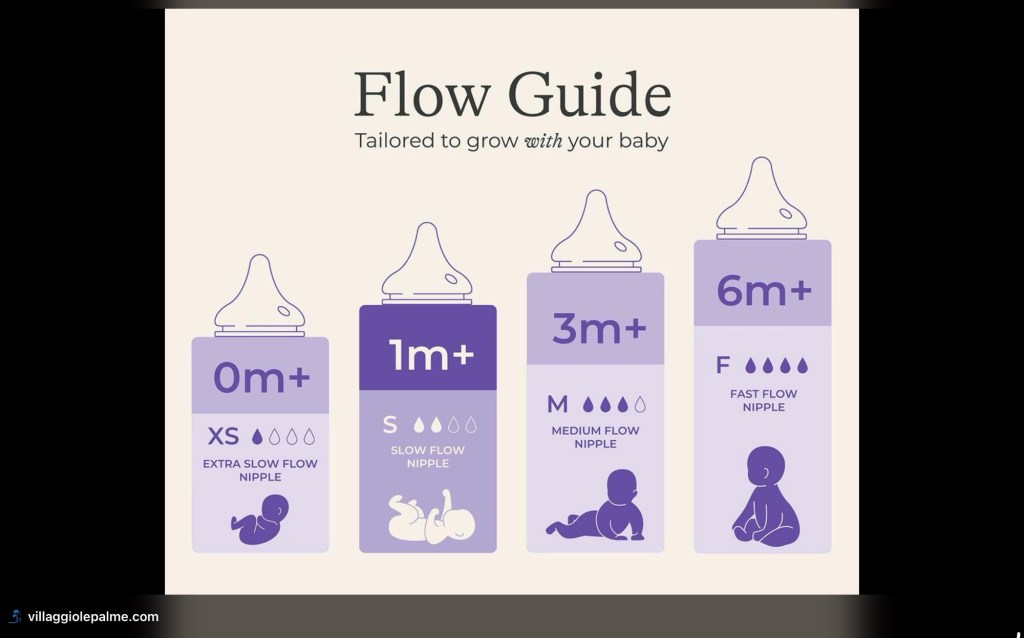
Bottle nipples are designed with different “flow rates,” which control how quickly milk comes out.
Most brands label them something like:
- Slow Flow (Newborn)
- Medium Flow (3–6 months)
- Fast Flow (6+ months)
But here’s what many parents don’t realize:
✨ These age ranges are just guidelines—not rules.
Your baby’s feeding ability, coordination, and comfort matter far more than their age.
🌿 Why Slower Is Often Better (Especially Early On)
It might seem like moving up to a faster flow will help your baby eat more efficiently—but in many cases, it can actually create feeding challenges.
A nipple that flows too quickly can lead to:
- Gulping or choking
- Increased gas and discomfort
- Spit-up that mimics reflux
- Overfeeding (before baby realizes they’re full)
For many babies—especially those who are breastfed—a slow flow nipple is ideal, even beyond the newborn stage.
🤍 Supporting Breastfed Babies with Bottles
If you’re combining breastfeeding and bottle feeding, nipple flow becomes even more important.
Breastfeeding requires effort, coordination, and pacing. If a bottle delivers milk too quickly, babies may begin to prefer the faster, easier option.
To help protect your breastfeeding relationship:
✔ Use a slow-flow nipple
✔ Practice paced bottle feeding
✔ Hold your baby in an upright position
✔ Allow pauses throughout the feeding
This approach helps mimic the natural rhythm of breastfeeding and supports a smoother transition between breast and bottle.
🚨 How to Tell If the Nipple Flow Isn’t Right
Your baby will give you clear cues if something isn’t working.
Signs the flow is TOO FAST:
- Milk leaking from the mouth
- Gulping, coughing, or choking
- Fussiness during or after feeds
- Frequent spit-up
Signs the flow is TOO SLOW:
- Falling asleep quickly during feeds
- Frustration or pulling away
- Feeding sessions lasting longer than 45 minutes
✨ The goal is a calm, steady feeding where your baby looks relaxed and comfortable.
✨ What Is Paced Bottle Feeding?
Paced bottle feeding is one of the most supportive techniques you can use—no matter how your baby is fed.
Instead of letting milk flow continuously, you:
- Hold your baby upright
- Keep the bottle more horizontal
- Pause every few minutes
- Follow your baby’s cues
This method helps babies regulate their intake, reduces gas, and creates a more connected feeding experience.
🌸 A Gentle Reminder for Parents
It’s easy to feel like you need to get everything “just right.”
But feeding your baby isn’t about perfection—it’s about responsiveness, connection, and learning together.
✨ You are not behind.
✨ You are not doing it wrong.
✨ You are learning your baby.
And that’s exactly what they need.
🤍 When to Reach Out for Support
If feeding feels stressful, overwhelming, or confusing—you don’t have to figure it out alone.
As part of my work with families across the Lowcountry, I offer personalized, judgment-free support to help you:
- Choose the right bottle and nipple flow
- Support breastfeeding and/or bottle feeding
- Reduce gas, fussiness, and feeding struggles
- Feel confident in your feeding approach
📍 Local Support for Lowcountry Families
If you’re located in Bluffton, Beaufort, Hilton Head Island, or surrounding areas, I’d love to support you during this season.
✨ Call to Action
You deserve to feel confident and supported in how you feed your baby.
If you’re looking for gentle, expert guidance, you can learn more or book a consultation here:
👉 CompassionateCareDoula.com





























Leave a Reply