The First 2 Weeks Postpartum: What No One Prepares You For
Bringing your baby home is one of the most beautiful moments in life…
But what many families don’t talk about is what happens after.
The first two weeks postpartum—often called the “fourth trimester”—can feel overwhelming, emotional, and physically demanding in ways you may not expect.
And if you’re feeling that way, you are not alone.
🌿 Your Body is Still Doing Important Work
After birth, your body begins an intense healing process.
Your uterus is shrinking back down.
Your hormones are rapidly shifting.
Your body is recovering from pregnancy and birth—whether vaginal or cesarean.
You may experience:
Bleeding (lochia) Cramping Breast engorgement or tenderness Full-body fatigue
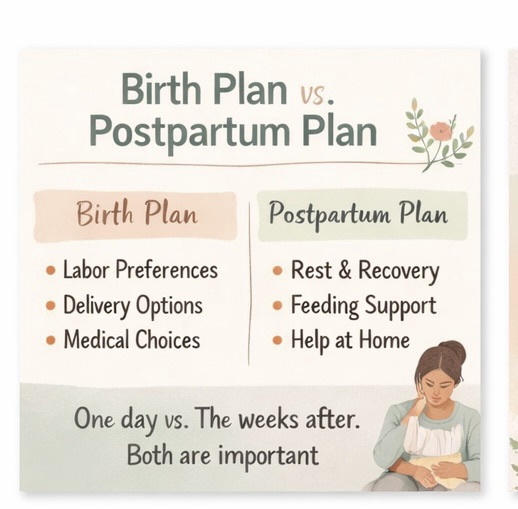
This is why rest is not a luxury—it’s essential.
Yet many mothers feel pressure to “bounce back” quickly.
The truth is:
Healing deserves time, care, and support.
💛 The Emotional Side No One Talks About
Around days 3–5 postpartum, many mothers experience what’s known as the baby blues.
This can look like:
Sudden crying Mood swings Feeling overwhelmed Anxiety or irritability
These feelings are caused by a significant hormonal shift after birth.
✨ They are common
✨ They are temporary
✨ And they do not mean you’re doing anything wrong
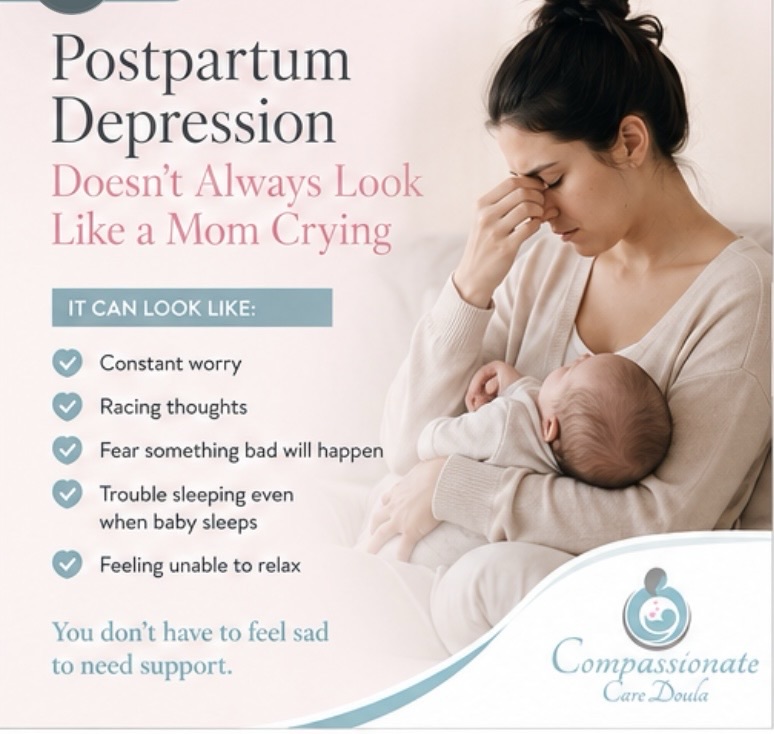
However, if these feelings become intense or last longer than two weeks, it’s important to reach out for additional support.
You deserve to feel cared for—not just expected to cope.
💤 Why Support Changes Everything
In many cultures, postpartum care is not optional—it’s expected.
Mothers are nourished.
They are encouraged to rest.
They are supported by a village.
Modern motherhood often looks very different.
Many families are left to navigate these early days alone, while also managing household responsibilities, sleep deprivation, and feeding challenges.
This is where postpartum support becomes invaluable.
🌸 What Actually Helps in the First 2 Weeks
The families who feel the most supported during this time often have a few key things in place:
1. Rest (Without Guilt)
Even short periods of rest support healing and emotional well-being.
2. Nourishing Meals
Warm, comforting foods help replenish and restore your body.
3. Help Around the Home
Laundry, dishes, and light tidying should not fall solely on a recovering mother.
4. Feeding Support
Whether breastfeeding or bottle feeding, guidance and reassurance matter.
5. Emotional Reassurance
Sometimes, what a mother needs most is someone to say:
“You’re doing an amazing job.”
🤍 You Were Never Meant to Do This Alone
The postpartum period is not just about caring for a newborn—it’s about caring for a mother.
It’s about creating space for healing, adjustment, and confidence to grow.
You don’t have to figure it all out on your own.
🌿 How I Support Families During This Time
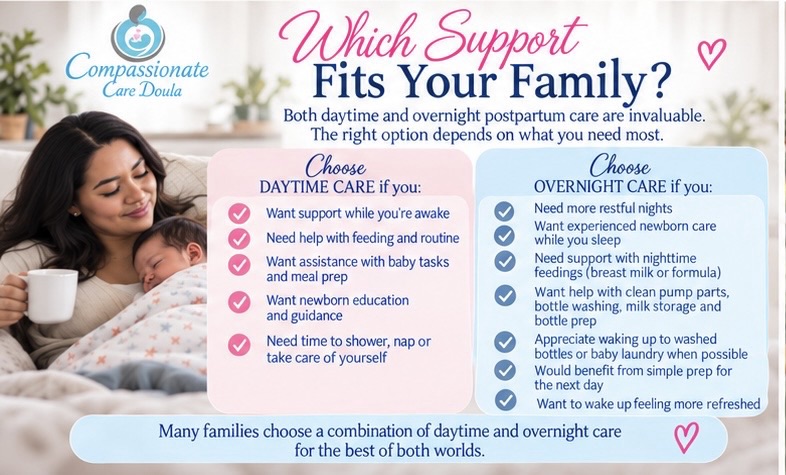
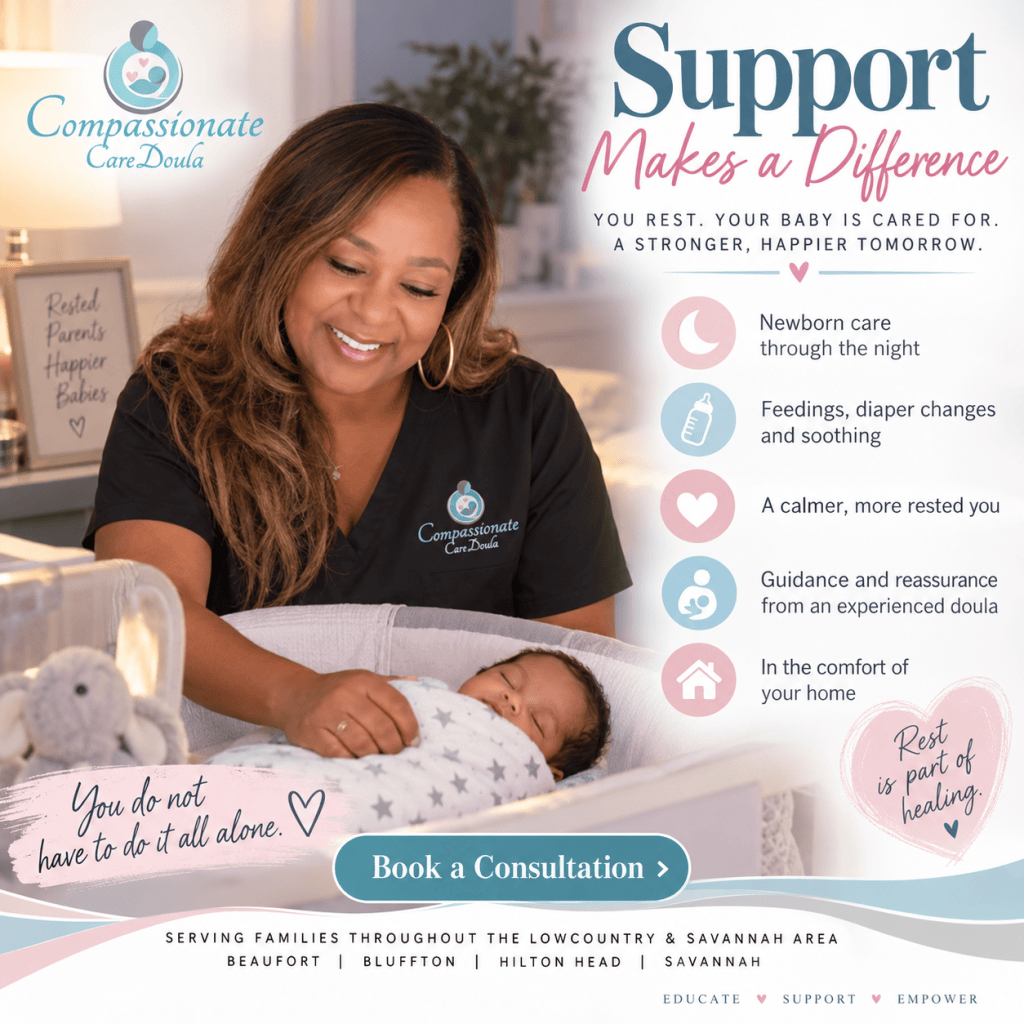
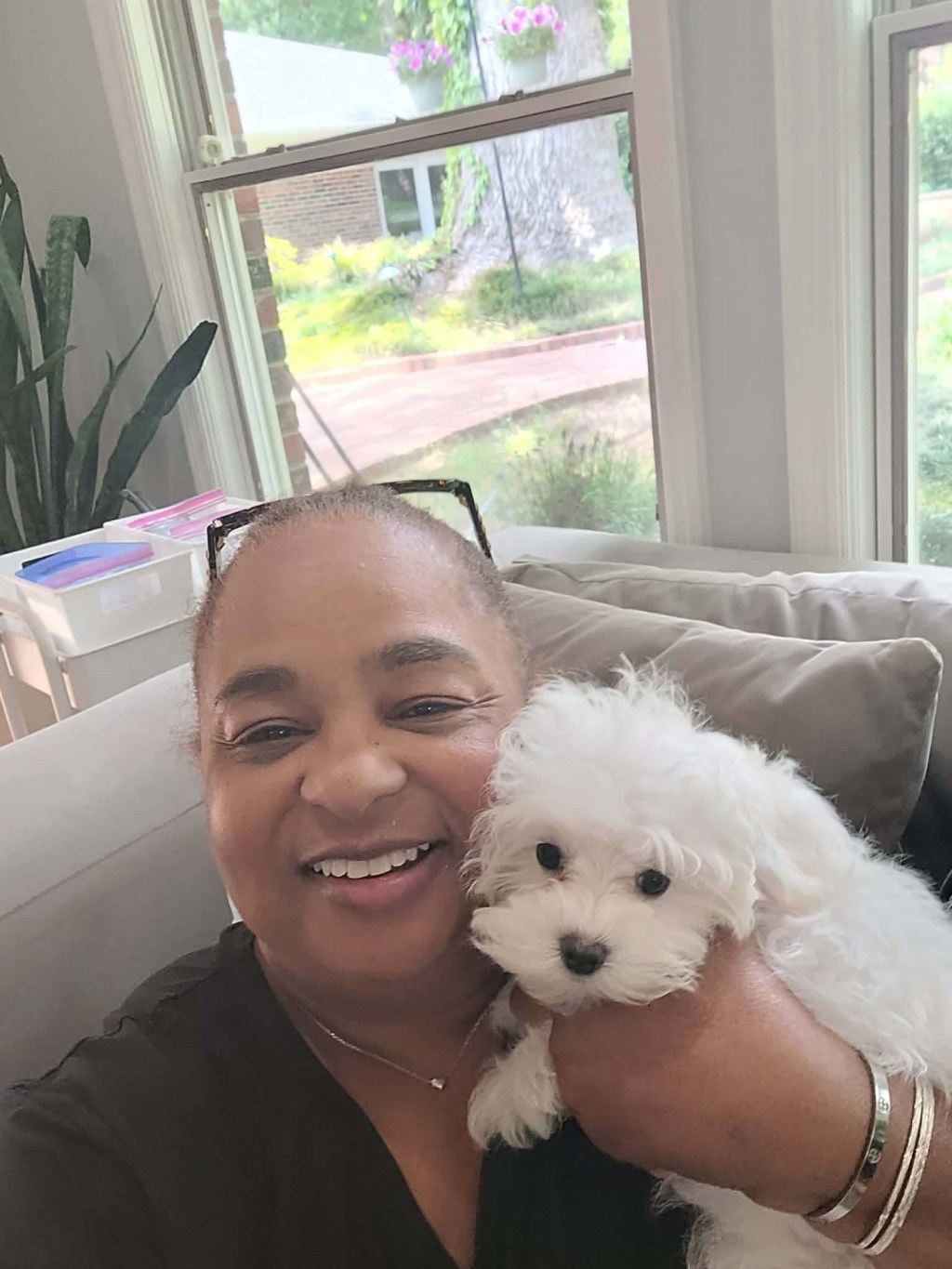
Through my work with Compassionate Care Doula Services, I provide gentle, judgment-free support tailored to each family’s needs.
This may include:
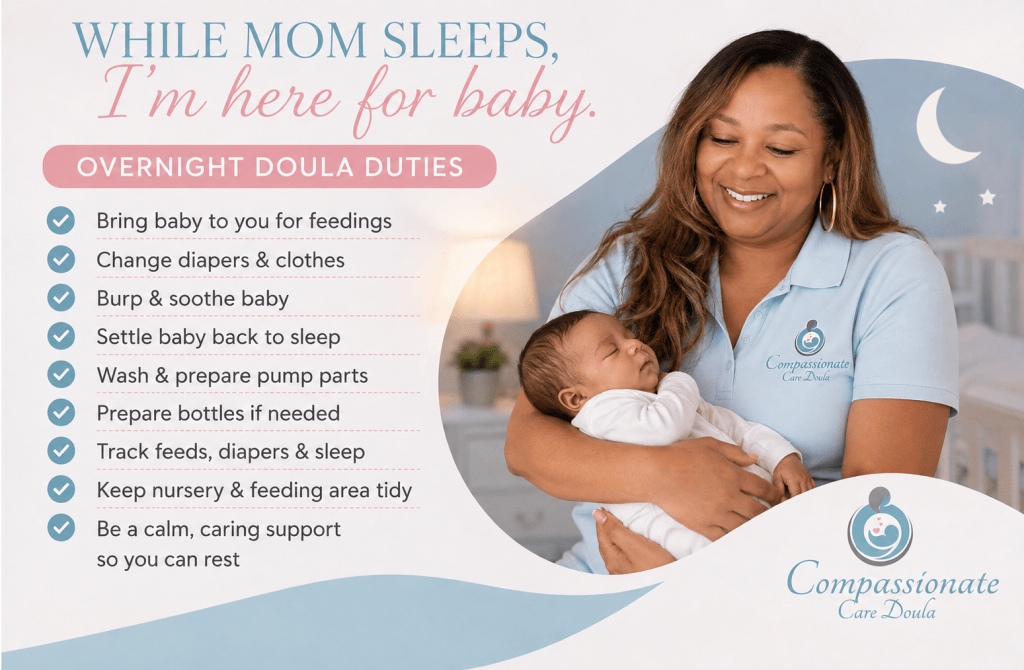
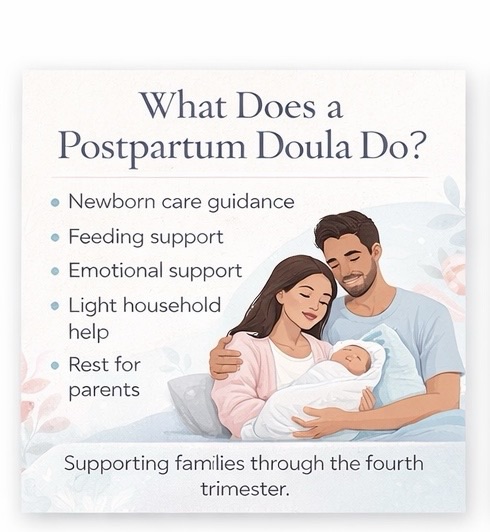
Overnight newborn care Emotional support and reassurance Feeding guidance Light household support Creating a calm, restful environment for recovery
Every family deserves to feel supported, confident, and cared for in the early days.
📍 Serving Families in the Lowcountry
I proudly support families in:
Bluffton, SC Hilton Head Island Beaufort, SC Surrounding Lowcountry areas
✨ Ready for Support?
Whether you’re preparing for your baby’s arrival or currently in the postpartum season, you don’t have to navigate this alone.
💛 Compassionate, personalized support is here for you.
👉 Contact Compassionate Care Doula Services or send a message to learn more about postpartum care options.




















Leave a Reply