
The Birth Plan Gets Attention — But Postpartum Lasts Longer
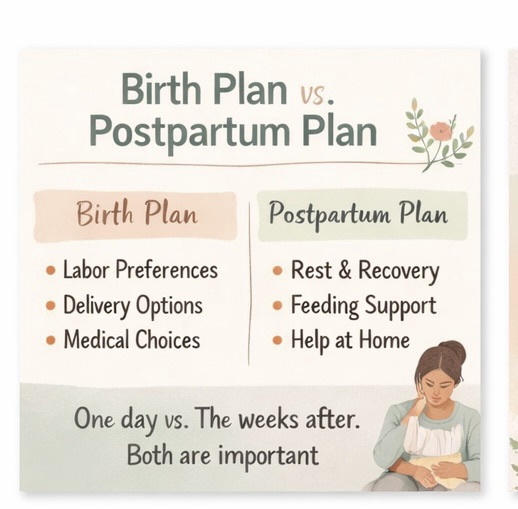
Expecting parents often spend months preparing for labor and delivery. Birth plans outline preferences for pain management, environment, and medical decisions — all incredibly important.
But birth typically lasts hours or days.
Postpartum recovery lasts weeks and months.
Yet many families enter the fourth trimester without a clear plan for support, rest, or recovery.
As a postpartum doula supporting families throughout Bluffton, Beaufort, Hilton Head, Savannah, and surrounding Lowcountry communities, I often hear the same thing:
“I wish we had planned more for after baby arrived.”
What a Birth Plan Prepares You For
A birth plan helps communicate preferences related to:
Labor environment Comfort measures Medical interventions Delivery goals Immediate newborn care
It prepares families for an important moment.
But once you return home, a completely new phase begins.
What a Postpartum Plan Prepares You For
A postpartum plan focuses on daily life after birth — when healing, sleep deprivation, feeding, and emotional adjustment all intersect.
A strong postpartum plan considers:
✔ Who helps with meals
✔ Overnight support and rest
✔ Infant feeding guidance
✔ Household responsibilities
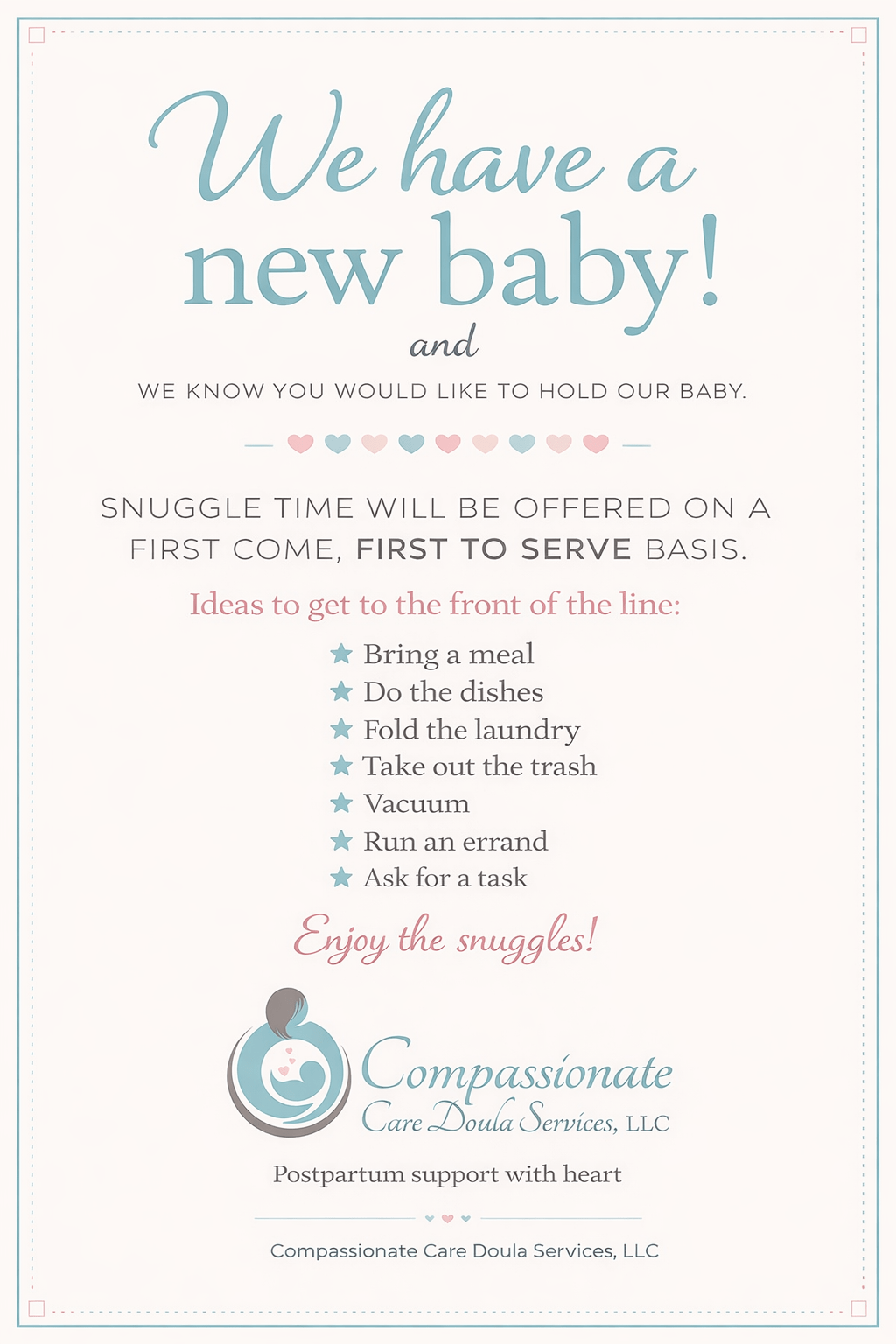
✔ Visitor expectations
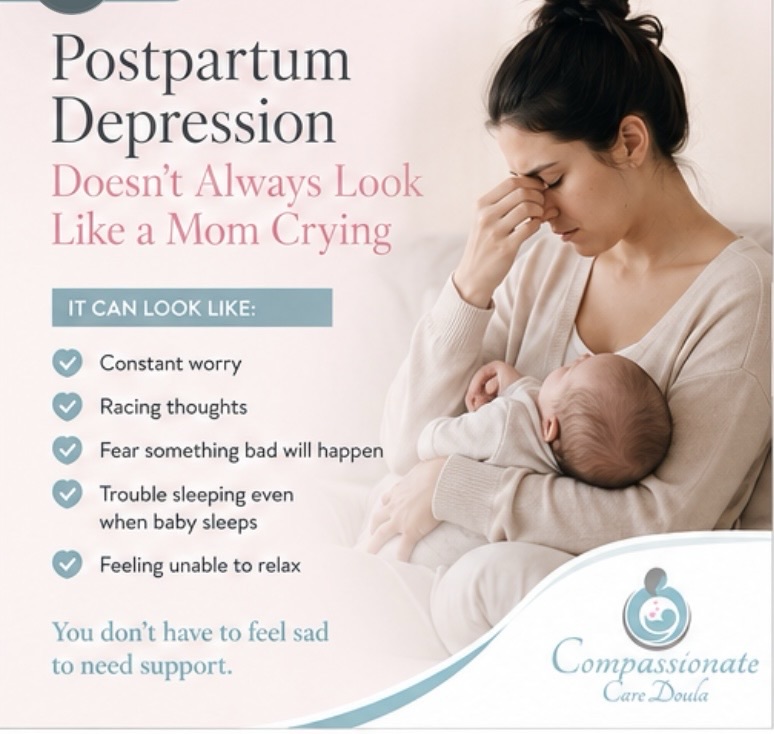
✔ Emotional and mental health support
✔ Recovery time for the birthing parent
personalized postpartum support for Lowcountry families
Planning these details ahead of time reduces stress when energy and decision-making capacity are lowest.
Why Postpartum Planning Matters So Much
Without preparation, many new parents experience:
Extreme sleep deprivation Overwhelm and anxiety Feeding challenges Isolation Delayed recovery
This isn’t because families are unprepared — it’s because modern parents are often expected to manage postpartum without the village previous generations relied upon.
A postpartum plan helps rebuild that support intentionally.
Learn more about postpartum doula support
The Fourth Trimester Deserves Preparation Too
The weeks following birth are a time of:
Physical healing Hormonal shifts Emotional adjustment Learning your baby’s needs Identity transition into parenthood
Planning for this period protects both parental mental health and family well-being.
Postpartum care is not a luxury — it is preventative support.
What Families Often Experience With a Postpartum Plan
Families who prepare ahead commonly report:
✨ More rest during early weeks
✨ Increased confidence caring for their newborn
✨ Reduced stress and overwhelm
✨ Smoother feeding transitions
✨ Stronger emotional support systems
Instead of reacting to challenges, they feel prepared to navigate them.
Creating Your Postpartum Plan in the Lowcountry
Families in Bluffton, Beaufort, Hilton Head, and Savannah are increasingly recognizing that postpartum preparation is just as valuable as birth preparation.
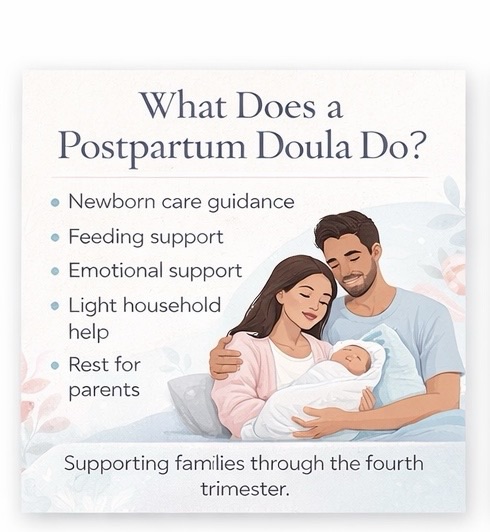
Working with a postpartum doula can help families:
Anticipate common challenges Establish realistic expectations Protect recovery time Create sustainable support systems
Start Planning Before Baby Arrives
If you’re expecting, the best time to create your postpartum plan is before birth, when you have the time and clarity to think through your needs.
💛 To help families get started, I offer a Free Postpartum Planning Guide designed to walk you step-by-step through building your support plan.
👉 Insert your planning guide link here
You Deserve Support After Birth
Birth is the beginning — not the finish line.
Planning for postpartum means planning for healing, rest, and confidence as you transition into life with your baby.
If you’re preparing for a new baby in Beaufort, Bluffton, Hilton Head, Savannah, or the surrounding Lowcountry, compassionate postpartum support is available.
You don’t have to figure it out alone.





















 Compassionate Care Doula Services, LLC
Leave a comment