Postpartum Depression Doesn’t Always Look Like Sadness: Understanding Anxiety, Excessive Worry, and OCD After Baby
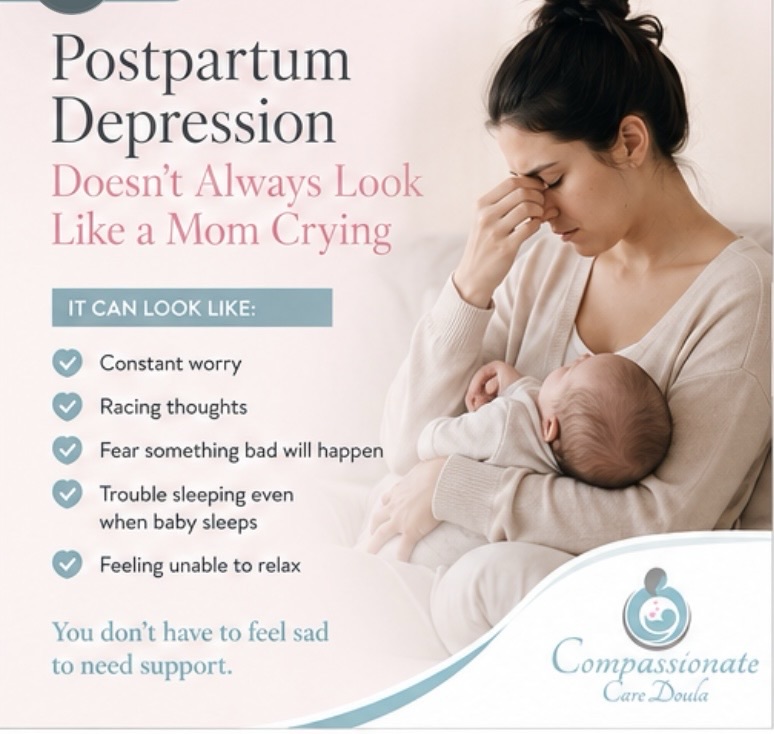
When most people hear the term “postpartum depression,” they often picture a mother who is crying constantly, unable to get out of bed, or feeling disconnected from her baby.
While those can certainly be symptoms, postpartum depression and other postpartum mood disorders don’t always look that way.
In fact, many new parents are surprised to learn that what they’re experiencing isn’t sadness at all. Instead, they may be dealing with overwhelming anxiety, excessive worry, intrusive thoughts, or even symptoms that resemble obsessive-compulsive disorder (OCD).
If this sounds familiar, you’re not alone.
The Reality of Postpartum Mood Disorders
The postpartum period, often called the “fourth trimester,” is a time of enormous physical, emotional, and hormonal change. Sleep deprivation, recovery from birth, changing family dynamics, and the responsibility of caring for a newborn can all contribute to emotional challenges.
While occasional worry is a normal part of becoming a parent, persistent feelings of anxiety, fear, or distress may signal something more.
Postpartum mood and anxiety disorders affect millions of families and are among the most common complications following childbirth.
What Postpartum Anxiety Can Look Like
Many parents experiencing postpartum anxiety don’t describe themselves as depressed. Instead, they may say:
- “I can’t stop worrying.”
- “My mind never shuts off.”
- “I constantly think something bad will happen.”
- “I can’t relax, even when the baby is sleeping.”
- “I feel on edge all the time.”
Common symptoms of postpartum anxiety may include:
- Racing thoughts
- Difficulty sleeping due to worry
- Constant fear about baby’s safety
- Panic attacks
- Feeling overwhelmed by everyday tasks
- Increased irritability
- Physical symptoms such as a racing heart, nausea, or shortness of breath
Many parents suffer in silence because they believe their worries are simply part of being a good parent.
Understanding Intrusive Thoughts
One of the most frightening symptoms some parents experience is intrusive thoughts.
Intrusive thoughts are unwanted, distressing thoughts or mental images that seem to appear out of nowhere. These thoughts can be shocking and may involve fears of accidental harm coming to the baby.
It’s important to understand that having intrusive thoughts does not mean you want to harm your baby.
In fact, parents who experience these thoughts are often deeply distressed by them and would never act on them.
Because these thoughts can feel scary or shameful, many parents don’t tell anyone what they’re experiencing. But intrusive thoughts are more common than many people realize, and help is available.
What Is Postpartum OCD?
Postpartum obsessive-compulsive disorder (OCD) is another postpartum mood disorder that can occur after birth.
Parents experiencing postpartum OCD may:
- Check repeatedly to make sure their baby is breathing
- Constantly sanitize bottles, toys, or surfaces
- Feel compelled to repeat certain behaviors to reduce anxiety
- Avoid situations they perceive as risky
- Experience persistent intrusive thoughts
These behaviors are often driven by intense anxiety and fear rather than logic.
What starts as wanting to keep a baby safe can become exhausting and interfere with daily life.
When Is It More Than “Normal New Parent Worry”?
It’s completely normal to worry about your baby.
However, it may be time to seek support if:
- Worry feels constant or overwhelming
- Anxiety prevents you from sleeping
- You find yourself unable to enjoy daily life
- You avoid leaving the house because of fear
- Intrusive thoughts are causing significant distress
- Anxiety is affecting your relationships or ability to function
You do not need to wait until things feel unbearable to ask for help.
You Can Love Your Baby and Still Struggle
One of the most important things I want parents to know is this:
You can love your baby deeply and still struggle with postpartum depression, anxiety, or OCD.
These conditions are not a reflection of your parenting abilities, your love for your child, or your strength.
They are medical conditions that deserve compassion, understanding, and treatment.
Seeking support is not a sign of weakness. It is a sign of courage.
How a Postpartum Doula Can Help
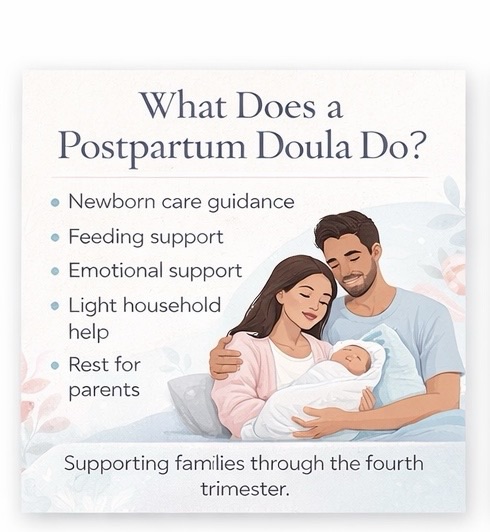
While a postpartum doula does not diagnose or treat mental health conditions, having support during the fourth trimester can make a tremendous difference.
A postpartum doula can:
- Provide emotional support
- Offer reassurance and education
- Help identify when additional support may be needed
- Encourage rest and recovery
- Assist with newborn care
- Create space for parents to talk openly without judgment
Sometimes simply having someone by your side who understands the challenges of early parenthood can help you feel less alone.
You Are Not Alone
If you’re experiencing overwhelming anxiety, excessive worry, intrusive thoughts, or symptoms that don’t feel right, please reach out to your healthcare provider.
Support is available, and recovery is possible.
You deserve care, too.
At Compassionate Care Doula Services, I provide compassionate, judgment-free postpartum support for families throughout Bluffton, Hilton Head, Beaufort, and the surrounding Lowcountry communities.
Together, we can help you navigate the fourth trimester with confidence, support, and care.
Ready to learn more about postpartum support?
Compassionate Care Doula Services, LLC
📞 631-268-4119
📧 compassionatecaredoula123@gmail.com
🌐 CompassionateCareDoula.com




















Leave a Reply