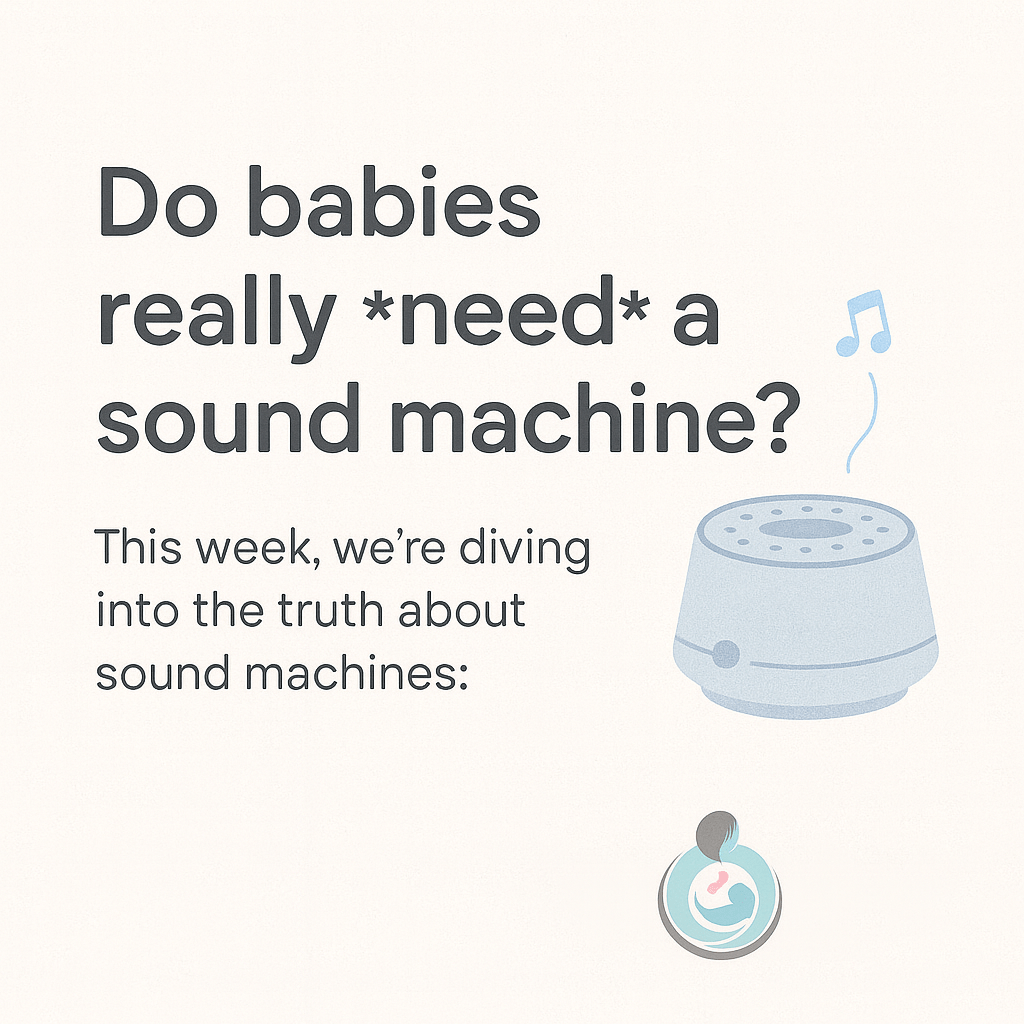
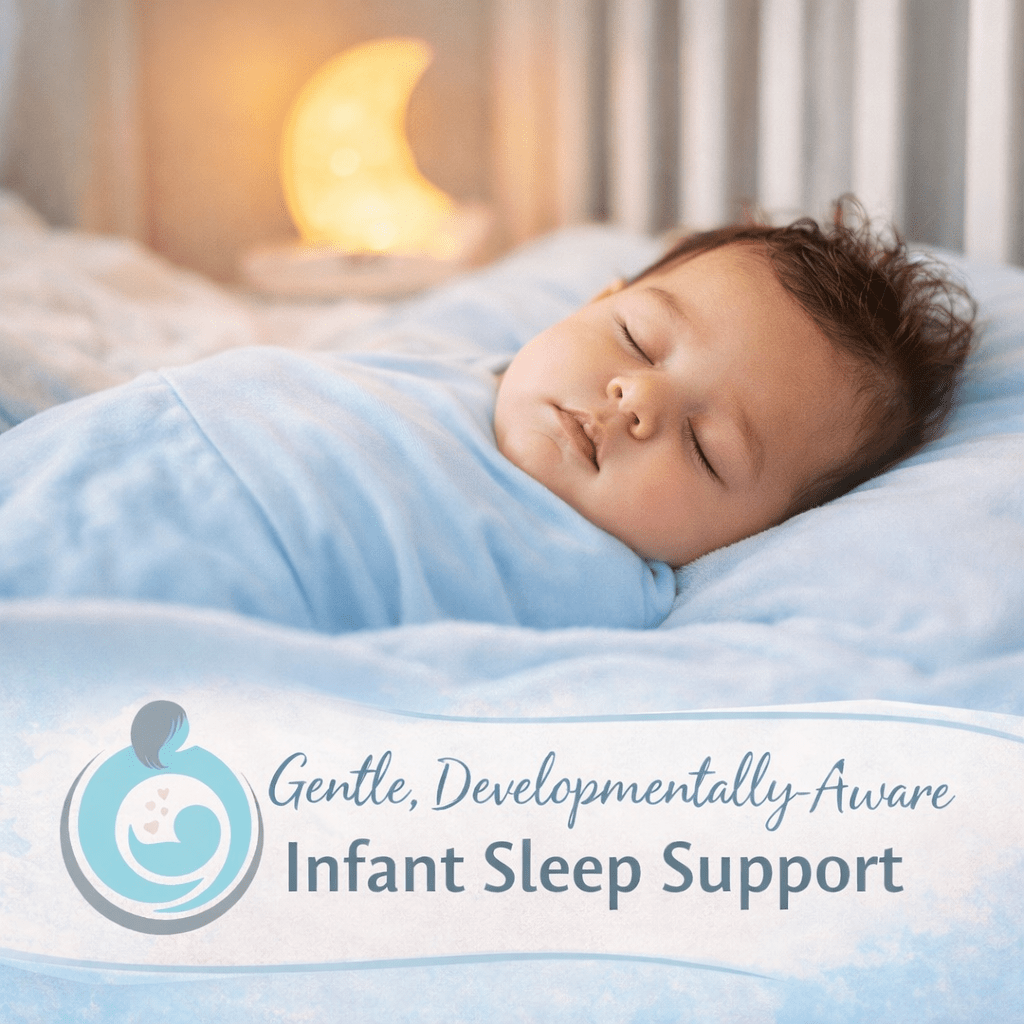
Sound machines have become a popular tool in infant sleep routines. Parents often wonder: Are they safe? Are they necessary? Or could they cause problems later on? Let’s break down what research says, the pros and cons, and how to use them safely.
✅ Benefits of Sound Machines
Womb-like comfort: The whooshing sounds mimic what babies hear in utero, helping them settle. Noise masking: Helpful in busy households with siblings, pets, or outside noise. Routine cue: Consistent use can signal to baby that it’s time to sleep.
⚠️ Possible Concerns
Hearing health: The American Academy of Pediatrics (AAP) recommends keeping sound below 50 decibels and placing the device at least 7 feet away from baby’s crib. Sleep dependency: Some little ones may struggle to fall asleep without it if used long term. Placement risk: Devices should never go inside the crib or directly next to baby.
💡 Safe Use Tips
Keep the sound machine across the room from baby’s crib. Set the volume to background level (similar to a quiet shower). Use continuous, soothing sounds (white noise, rainfall, ocean waves) rather than loud or abrupt noises. Gradually reduce use over time if you want to avoid dependency.
🍼 Do You Need One?
Not all families find them necessary. Some babies sleep peacefully without them. A sound machine is simply a tool, not a requirement. If it works for your baby, it’s safe to use when following guidelines.
🌿 Compassionate Note
Every baby is unique. Trust your instincts, follow safe sleep recommendations, and know that you’re doing an amazing job—even if your little one needs extra help falling asleep.


















Leave a comment