By Compassionate Care Doula Services, LLC
What Is Infant Dyschezia?
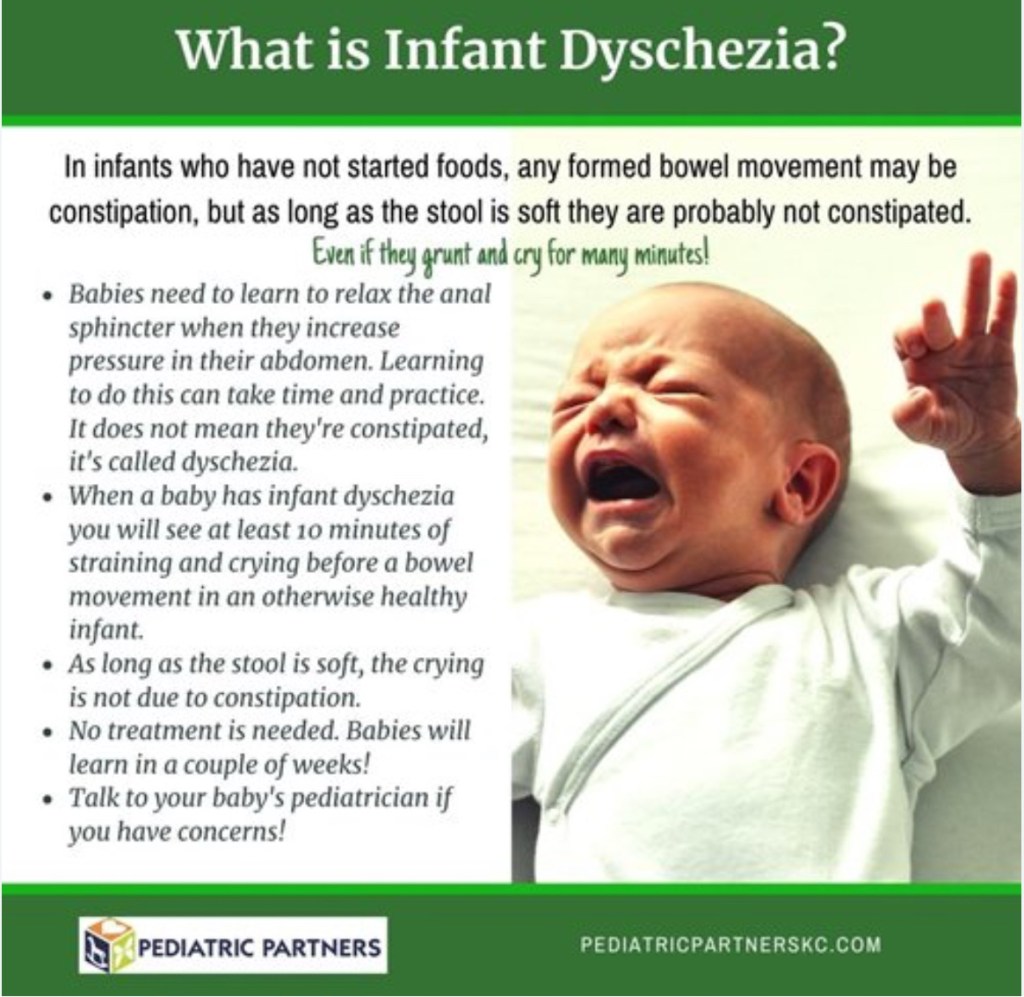
If you’ve ever watched your baby grunt, strain, cry, turn red, and appear to be in discomfort—only to finally pass a soft poop—you’re not alone. Many new parents witness this and worry something is wrong.
Let’s talk about a completely normal (and very misunderstood) condition called infant dyschezia.
Infant dyschezia is a developmental and temporary condition that affects babies under 6 months old. It describes a pattern where your baby seems to struggle with pooping—even though their stool is soft and they aren’t actually constipated.
Common signs include:
Grunting, pushing, straining Crying or fussiness before a bowel movement A red or purple face A soft, normal-looking poop in the diaper afterward
It can look dramatic, but here’s the truth: your baby is still learning how to poop.
Why Does This Happen?
Pooping is a learned skill! In newborns, the coordination between relaxing the pelvic floor and using the abdominal muscles to push takes time to develop.
In infant dyschezia, your baby senses the urge to go but doesn’t yet know how to coordinate the muscles involved. So they strain and push with their tummy muscles but forget to relax their bottom—making the whole process look difficult.
💡 But rest assured: this is not dangerous and not a disease.
How Is It Different from Constipation?
The main difference is the texture of the stool.
With infant dyschezia, the stool is soft or even loose. With constipation, the stool is hard, dry, or pellet-like, and often less frequent.
If your baby is passing soft stools daily—but puts on a show beforehand—it’s likely infant dyschezia.
What Should You Do?
💗 The best thing you can do… is nothing.
Infant dyschezia goes away on its own as your baby matures neurologically and gains better muscle control.
Avoid:
Rectal stimulation (like thermometers or q-tips) Suppositories or laxatives (unless directed by a pediatrician) Overfeeding or changing formula without cause
These can interrupt your baby’s natural learning process and may even cause long-term issues.
Gentle Ways to Support Baby
You don’t need to fix infant dyschezia, but you can offer comfort and reassurance:
💞 Cuddles or skin-to-skin during or after episodes 🛁 A warm bath to help relax baby’s body 🧸 Gentle infant massage or bicycle leg movements after a bowel movement 🍼 Keep baby well-hydrated with regular feedings
When to Call Your Pediatrician
Call your provider if you notice any of the following:
Hard, dry, or bloody stools Vomiting, lethargy, or poor weight gain No poop for several days in a formula-fed baby Ongoing signs of pain not clearly tied to pooping
Final Thoughts from a Doula’s Heart 💗
Watching your baby struggle—even when it’s developmentally normal—can tug at your heart. But knowing what’s really going on can replace fear with confidence.
Your baby is learning, growing, and yes—even figuring out how to poop!
And you’re doing an amazing job supporting them through it all.
Need personalized newborn care support or postpartum education? I’m here to walk this journey with you.
📲 Follow me on Instagram: @compassionatecaredoula
💗 Compassionate Care Doula Services, LLC



















 Compassionate Care Doula Services, LLC
Leave a comment