What Recovery from Childbirth Really Looks Like — The Things No One Tells You
When you picture postpartum recovery, most people imagine snuggling a newborn and catching up on sleep while healing quietly. But the truth? Recovery from childbirth is messy, intense, and full of surprises no one warns you about. Whether you’ve had a vaginal delivery or C-section, your body has been through a major physical event—and healing takes time, patience, and support.
Here’s a look at what really happens after you bring baby home—and what every new parent deserves to know:
🍼 You’ll Feed the Baby Every 2–3 Hours (Even at Night)
Newborns eat frequently, around the clock. This can mean waking every 2 hours during the night and rarely catching more than 1–2 hours of sleep at a time. It’s exhausting, disorienting, and it’s perfectly normal to feel like you’re in survival mode.
💔 The Physical Recovery Can Be Brutal
• Swollen vaginal area – due to pushing, trauma, or tearing
• Sore rectum – especially if you pushed for a long time or experienced hemorrhoids
• Tender belly – especially after a C-section or intense contractions
• Postpartum bleeding – expect heavy bleeding (lochia) for up to 6 weeks
• Sore nipples – especially in the early days of breastfeeding
• Night sweats – hormonal shifts can cause you to wake up drenched
• Uterine cramping – as your uterus shrinks back down, cramping is common
• Hair loss – many notice significant shedding around 3–4 months postpartum
• Brain fog – forgetfulness, distraction, and feeling “off” are all common
• Back and hip pain – from labor, pushing, and awkward sleep positions
• Swollen ankles or feet – your body is still flushing fluids out
• Sore perineum – requiring rinsing with a peri bottle after using the bathroom
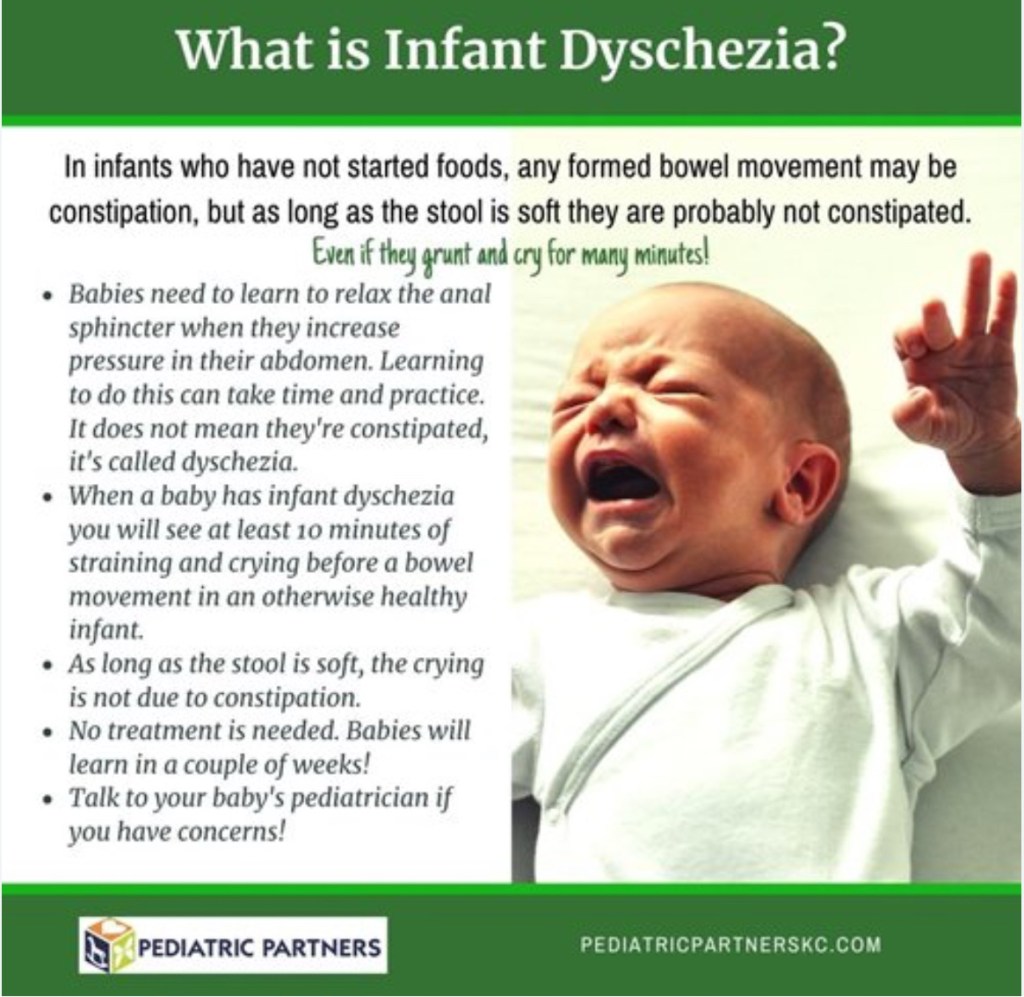
• Fear of the first bowel movement – totally normal (but you’ll get through it!)
⚠️ Red Flags: When to Call Your Doctor
Your healing is important. While many postpartum symptoms are normal, some are signs that you need medical attention—and that includes your emotional well-being.
Please contact your healthcare provider right away if you experience:
• Severe headaches, especially if paired with nausea or vision changes
• Dizziness, lightheadedness, or blurred vision
• Foul-smelling vaginal discharge
• Large blood clots (bigger than a plum)
• Intense or worsening cramping
• Fever, chills, or flu-like symptoms
• Persistent feelings of despair, fear, or overwhelming sadness that don’t go away
• Loss of interest in things you normally enjoy or trouble bonding with your baby
• Thoughts of harming yourself or your baby
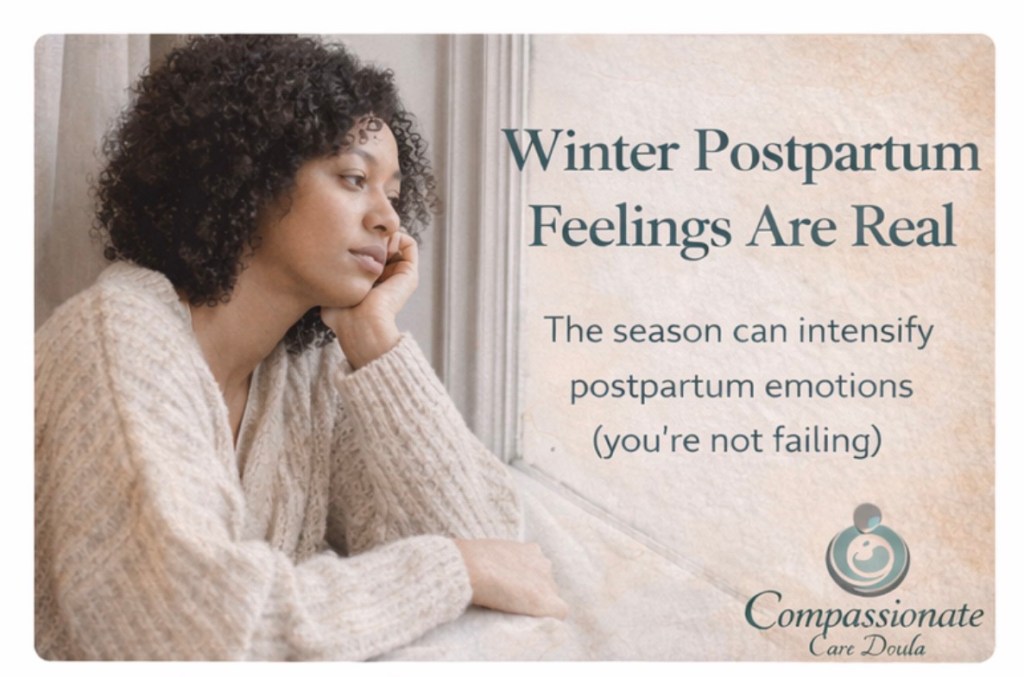
Postpartum depression and anxiety are real and treatable. You are not alone. Reach out to your provider or a mental health professional—you deserve help and healing.
🛌 Rest, Nourish, and Recover
Postpartum healing isn’t just physical—it’s emotional, too. Don’t rush your recovery. Make space for:
• Plenty of rest – your body needs time to restore
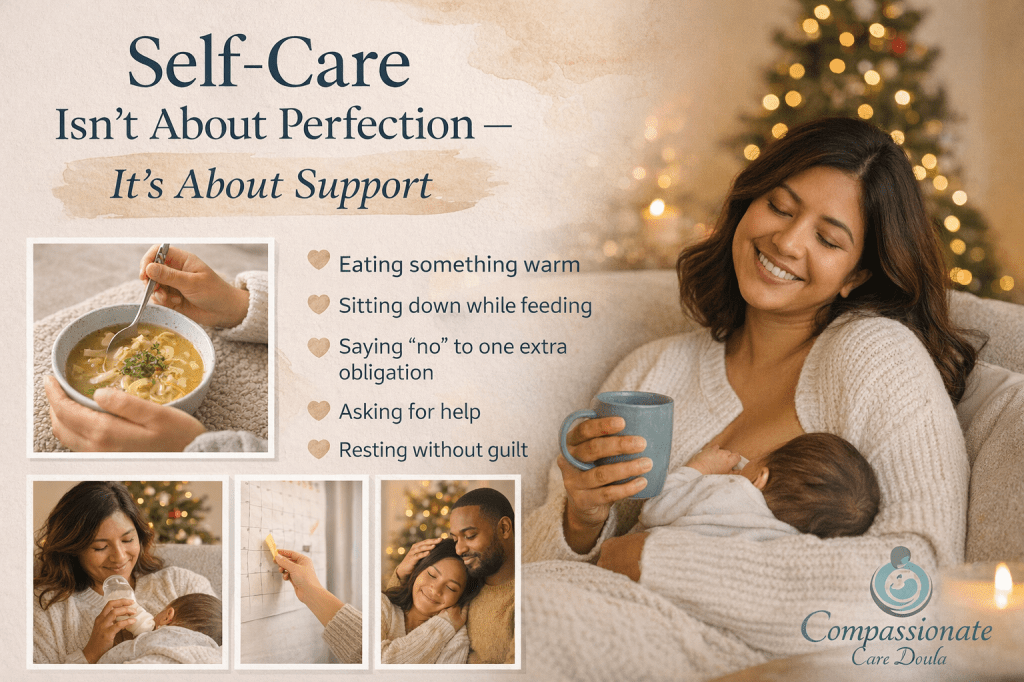
• Warm, nourishing meals – soups, stews, and nutrient-rich foods help healing
• Hydration – drink water every time you feed the baby
• Elevating your legs – helps reduce swelling and promotes circulation
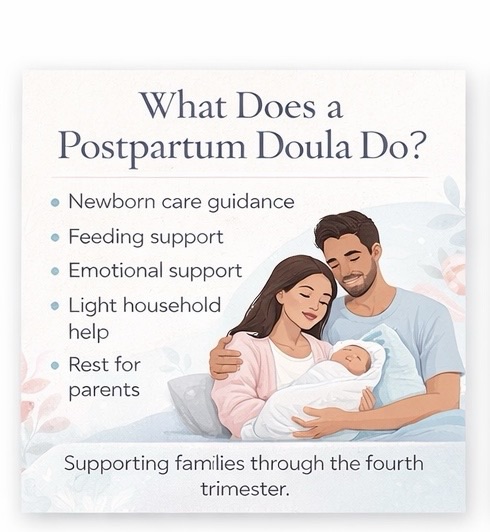
• Support – from partners, family, doulas, or a postpartum care team
🧺 What You’ll Want to Have at Home
• Disposable underwear or mesh panties
• Large sanitary pads
• Peri bottle (to rinse after using the bathroom)
• Witch hazel pads or Tucks
• Sitz bath (or Epsom salt soak for relief)
• Nursing bras and breast pads
• Nipple balm or cooling gel pads
• Belly binder (optional but helpful for core support)
💬 You Deserve to Be Cared For, Too
You’ve just done something incredible—and it’s okay if you don’t feel amazing right away. This healing season is temporary, and you are not alone.
If you’re in the postpartum period and need support, don’t hesitate to reach out. Compassionate Care Doula Services is here to walk alongside you—whether you need rest, reassurance, or someone to take the night shift so you can finally sleep.
📞 Mental Health & Emergency Resources
• Postpartum Support International (PSI): 1-800-944-4773 (text “HELP” to 800-944) – http://www.postpartum.net
• National Maternal Mental Health Hotline: 1-833-852-6262 (24/7, free & confidential)
• Suicide & Crisis Lifeline: Call or text 988 (for immediate support anytime)









 Compassionate Care Doula Services, LLC
Leave a comment