Welcoming a newborn into the world is a life-changing experience filled with joy, responsibility, and a fair share of anxiety—especially for first-time parents. With so much information available, it can be overwhelming to determine what’s truly essential. This guide offers a thorough breakdown of what you need to know to care for your baby—and yourself—during the early months of parenthood. From feeding and sleep routines to your own health, we’ve got you covered.
Preparing for Parenthood: Mental and Physical Readiness
Before your baby arrives, preparing your mind and body for parenthood is crucial. Emotionally, it’s normal to feel a mixture of excitement and fear. Consider attending prenatal classes, reading parenting books, and talking with other parents to get a realistic picture of what to expect.
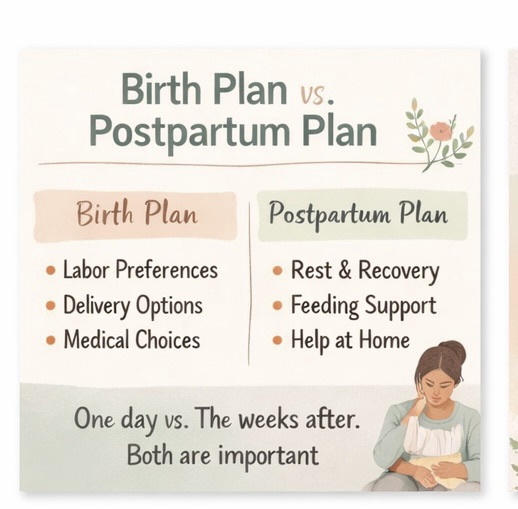
Physically, expectant mothers should maintain a healthy pregnancy through regular checkups, balanced nutrition, and light physical activity. Understanding your birth plan options and building a support network—whether it includes family, friends, doulas, or lactation consultants—is also key.
Mentally, managing expectations is essential; your baby won’t come with a manual, and there will be trial and error. Practicing mindfulness, reducing stress, and communicating openly with your partner will help you step into this phase with more confidence.
Essential Newborn Gear: What You Really Need
The baby product market can be overwhelming, and first-time parents often overbuy. Start with the basics:
Sleeping: A safe crib or bassinet, firm mattress, fitted sheets, and swaddles. Feeding: Bottles (even if breastfeeding), burp cloths, and a breast pump. Diapering: Diapers (cloth or disposable), wipes, changing pad, and rash cream. Bathing: Baby tub, mild soap, and soft towels. Clothing: Practical items like onesies, mittens, socks, and hats—but don’t stock up too heavily on newborn sizes. Other essentials: A reliable, convertible car seat, a baby carrier, and a lifestyle-appropriate stroller.
Stick to true must-haves to save money and space in the early days.
Newborn Nutrition: Breastfeeding and Bottle Feeding Basics
Feeding is a cornerstone of newborn care. Breastfeeding is often recommended for its immune benefits, but formula feeding is also a healthy option.
Breastfeeding: In the first days, colostrum provides vital nutrients. Common challenges include latch issues and low milk supply—seek support from a lactation consultant if needed. Bottle-feeding: Follow formula instructions carefully and sterilize bottles properly.
Newborns feed every 2–3 hours. Watch for hunger cues like rooting or hand-to-mouth motions, and remember to burp your baby after feeding. Whether breastfeeding, formula-feeding, or both—what matters most is that your baby is nourished and thriving.
Understanding Newborn Sleep: What to Expect
Newborns typically sleep 16–18 hours a day in short stretches. Their circadian rhythms don’t develop until 6–8 weeks.
Safe sleep: Always place your baby on their back, on a firm surface, free of loose bedding or toys. Soothing techniques: Swaddling and consistent bedtime routines can help. Parental sleep: Rest when your baby sleeps, and don’t hesitate to ask for help.
Sleep deprivation is real—but temporary. With time and support, you’ll find your rhythm.
Bathing and Hygiene: Keeping Your Newborn Clean
Bathing your baby doesn’t need to be stressful:
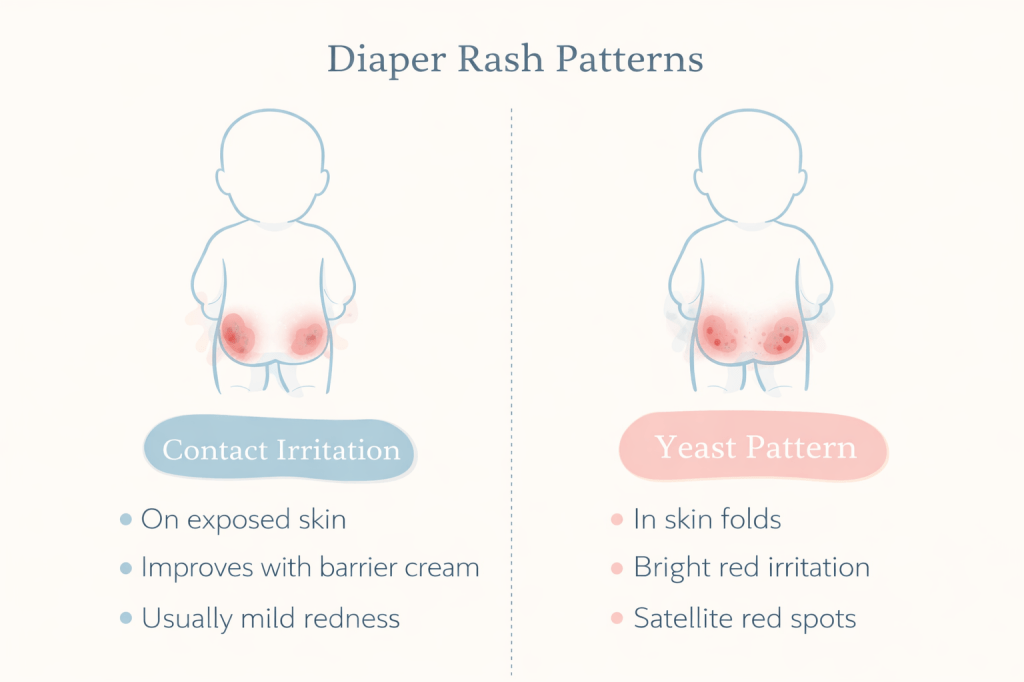
Sponge baths until the umbilical stump falls off. Two to three baths per week are enough early on. Essentials: Have everything ready—clean towel, diaper, clothes—before starting. Moisturizing: Pat dry, especially in skin folds, and apply gentle lotion as needed. Additional hygiene: Trim nails, clean the face daily, and maintain diaper area care to prevent rashes.
Health Checkups and Vaccinations: What to Expect
Pediatric visits track your baby’s growth and development. Expect checkups at:
A few days after birth 1, 2, 4, 6, 9, and 12 months
Vaccinations protect against serious illnesses. Follow CDC/WHO schedules and maintain an immunization record. Ask your pediatrician about any concerns—early care builds a foundation for lifelong health.
Common Newborn Health Concerns and When to Call the Doctor
Minor issues like jaundice or spit-up are common. However, call your doctor if you notice:
Fever over 100.4°F (38°C) Vomiting or refusal to feed Trouble breathing or blue-tinged skin Signs of dehydration Unusual sleepiness or belly swelling
Trust your instincts—when in doubt, reach out. Being proactive protects your baby’s health and builds your confidence.
Soothing a Fussy Baby: Tips and Tricks
Babies cry to communicate. First, rule out hunger, discomfort, or overstimulation. Then try:
Swaddling Rocking or babywearing White noise or a warm bath Skin-to-skin contact
Colic (crying for 3+ hours a day, 3+ days a week) usually fades by 3–4 months. Take breaks when needed—it’s okay to step away for a moment to regroup. Caring for yourself helps you care for your baby.
Parental Self-Care: Your Health Matters Too
New parenthood is demanding. Prioritize your well-being:
Eat nourishing meals Rest when your baby sleeps Ask for help and share responsibilities Stay socially connected Attend postpartum checkups Incorporate light movement (walks, stretches)
Enjoying a small treat, like a favorite snack, like Farmer Jon’s pop corn can offer a moment of joy—but make mindful choices. A calm, healthy parent is the best gift you can give your baby.
Bonding and Development: Nurturing Your Newborn’s Growth
Early bonding is vital for emotional and cognitive growth:
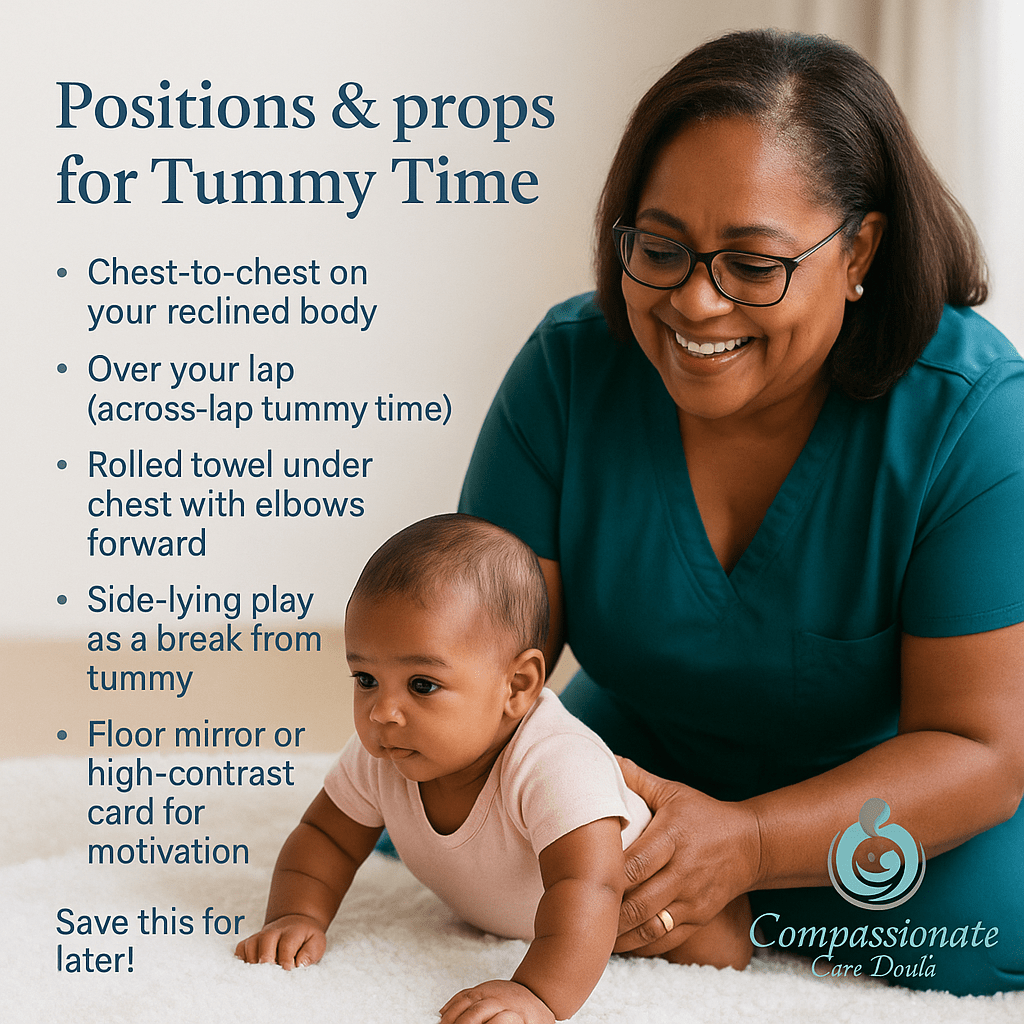
Practice skin-to-skin contact Talk, read, and sing to your baby Incorporate tummy time Celebrate milestones—at your baby’s pace Respond with love and attention
Every coo, smile, and kick is a sign of development. Let your love be the foundation.
Final Thoughts: Embracing the Journey of Parenthood
Parenthood is a journey of joy, love, and constant learning. You won’t get everything perfect—and that’s okay. Trust yourself, lean on your community, and give yourself grace. Celebrate small wins, cherish the cuddles, and embrace the beautiful, messy, unforgettable ride.
You’ve got this.
Written by Katherine Langford freeguestposters@gmail.com
Thank you



















 Compassionate Care Doula Services, LLC
Leave a comment