If your baby is crying for hours, turning red in the face, arching their back, or clenching their fists—you’re probably asking the same question many new parents do:
“Is this colic… or is it just gas?”
Let’s break it down with compassion, evidence-based guidance, and a few doula-approved tips to help you survive this phase with your sanity intact.
😫 What Is Colic?
Colic is typically defined as inconsolable crying in a healthy baby for:
More than 3 hours a day More than 3 days a week For at least 3 weeks (This is called the “Rule of Threes”)
Colic tends to start around 2–3 weeks old and often peaks around 6 weeks, improving by 3–4 months.
But the truth is—colic isn’t a diagnosis. It’s a label for a cluster of symptoms when nothing else seems to explain the distress.
💨 Could It Be Gas Instead?
Gas discomfort is extremely common in newborns, especially in the first 8 weeks as their digestive systems mature.
Signs of gas-related discomfort:
Squirming, arching, clenching legs or fists Passing gas with relief Grimacing or straining after feeds Fussiness during or right after feeding Burping brings temporary calm
💡 If the crying comes in short waves and is relieved with burping, movement, or a bowel movement—it may be gas.
🤱 What Causes Colic or Gas?
Colic:
Baby’s immature nervous system Overstimulation Reflux Feeding issues (e.g. fast let-down, tongue tie) Possibly gut imbalance or food sensitivity
Gas:
Swallowing air during feeding Poor latch or bottle angle Not being burped properly Immature digestion Formula intolerance (in some cases)
🧘♀️ What You Can Do (Doula-Approved Tips)
1. Try the “5 S’s” (from Happiest Baby on the Block):
✅ Swaddle
✅ Side/stomach position (for holding only)
✅ Shush
✅ Swing
✅ Suck (pacifier, breast, finger)
2. Offer gas relief methods:
🍼 Burp frequently during and after feeds
🧴 Use paced bottle feeding for bottle-fed babies
🦶 Bicycle baby’s legs or do tummy massage
🫧 Try a warm bath or baby-wearing
💧Mylicon gas drops
🌊 Gripe Water
3. Calm your nervous system too:
Colic and gas can test your patience and heart.
If you’re feeling overstimulated or exhausted, it’s okay to step away for a moment, breathe, and reset.
4. Rule out reflux, allergies, or feeding issues:
Talk to your pediatrician if symptoms are persistent, especially if baby:
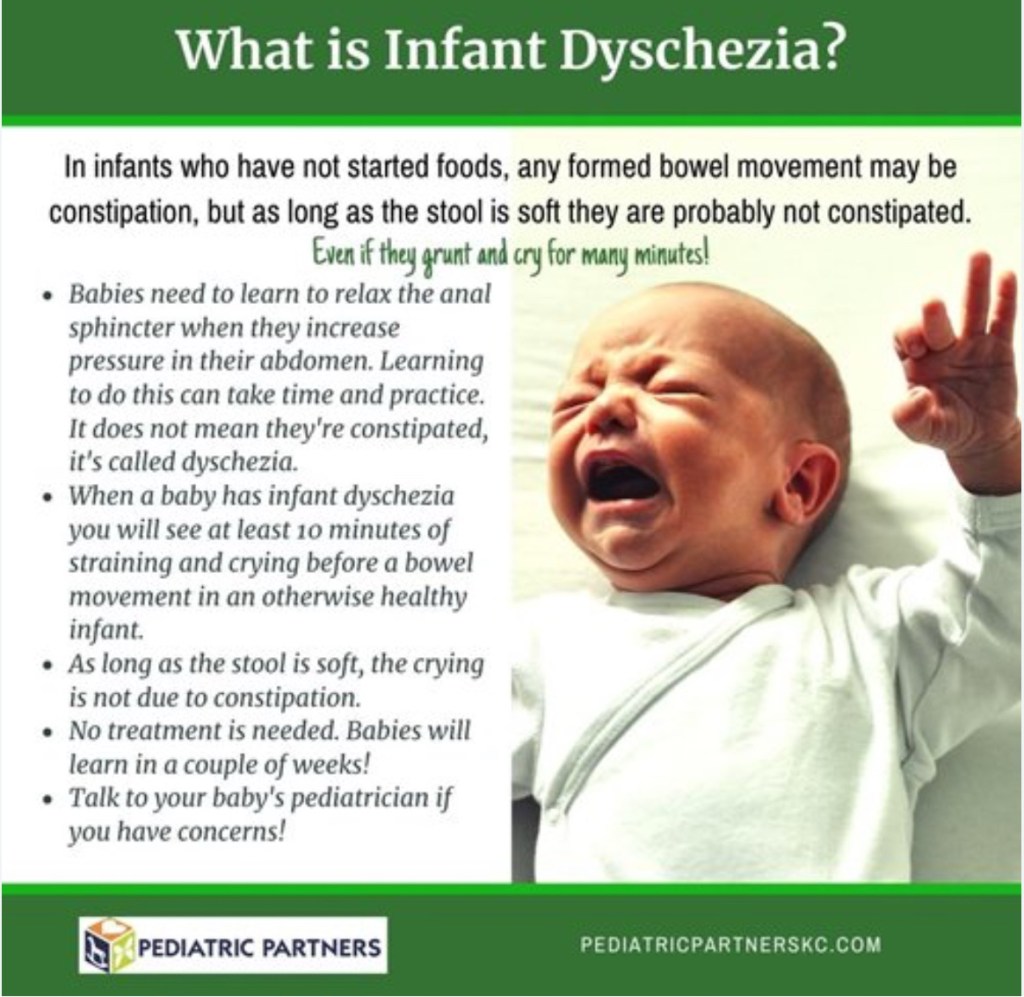
Isn’t gaining weight Vomits forcefully or often Has blood in stool Has hard stools or severe gas
🚩 When to Call the Pediatrician
Fever over 100.4°F Vomiting (not just spit-up) No wet diapers in 6+ hours Extreme lethargy or high-pitched crying Blood in stool or signs of pain
💛 Final Thought
Whether it’s colic, gas, or just a rough evening—it’s not your fault. You’re not doing anything wrong.
Your baby’s cries don’t mean you’re failing. They mean you have a tiny human adjusting to life outside the womb.
And you?
You deserve support, rest, and encouragement—every step of the way.
– Dawn
Certified Postpartum Doula
Compassionate Care Doula Services


















 Compassionate Care Doula Services, LLC
Leave a comment